
The nest is empty.
The chapter is not.
Empty Nexxter is a jumping off point for the curious. Though the concept was born at the intersection of Generation X and an Empty Nest, this is a website and tool for curious minds, enthusiasts, and hobbyists of all ages. This tool is essentially a path to proficiency. Our carefully curated list of activities has something for everyone, along with a simple and logical flow — activity history, resources, gear recommendations for beginners and experts alike, as well as a 30-day path to proficiency complete with video instruction, short task lists, and quizzes. For each activity you see to completion, you will be awarded a badge signifying your proficiency. We're glad to have you, and we hope you are encouraged to pursue what you have been putting off and that you find some new interests. Welcome!
Ten thousand hours makes a master. One hundred hours makes you better than nearly everyone you know.
The 10,000-Hour Rule
Malcolm Gladwell popularized the idea that world-class mastery — the top fraction of one percent — demands roughly ten thousand hours of deliberate practice. It is the territory of the lifelong devotee, and it is not our aim.
The 100-Hour Rule
Research suggests that about one hundred focused hours is enough to surpass ninety-five percent of the population in almost any discipline. Most people never start. Fewer still practice with structure. That gap is the opening.
Thirty days of guided, deliberate practice is not mastery — but it is enough to become more proficient than ninety-five percent of the world in the discipline you choose. That is the promise of every lab in this archive.
A Cabinet of Curiosities
Hover any pursuit to surface its origin story. Choose one and begin a thirty-day passage from novice to proficient.

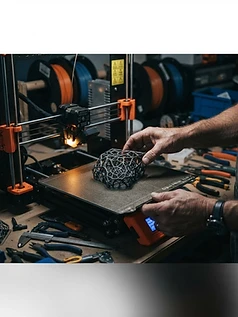
3D Printing
From digital architecture to physical form: the art of additive manufacturing in your home studio.
Born from Chuck Hull’s 1986 stereolithography patent, 3D printing moved from industrial labs to hobbyist benches. It evolved through the open-source RepRap movement of 2009, turning complex manufacturing into a accessible creative discipline for the modern maker.
Start Day 1
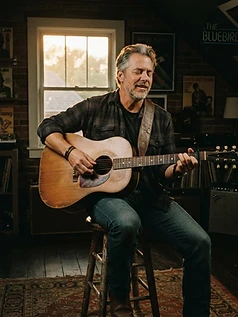
Acoustic Guitar
The instrument of the American porch — complete on its own, with two hands and a song.
From Antonio de Torres's 1850s classical guitar and C. F. Martin's 1843 X-brace to the Carter scratch and the Delta blues, the acoustic guitar is the instrument of the American porch and the one that is complete on its own.
Start Day 1

Astronomy
Reclaim the night: turn your gaze toward the ancient rhythm of the stars.
Astronomy traces its roots to the meticulous star charts of Babylonian priests and the mathematical rigor of Greek astronomers. What began as a tool for navigation and calendar-keeping evolved through the lens of Galileo into a profound exploration of our infinite universe.
Start Day 1
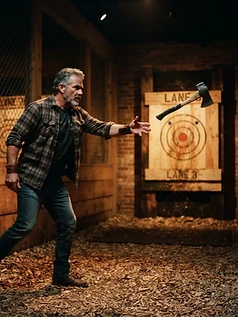
Axe Throwing
Find your rhythm in the steel and grain: a meditative return to the heritage of the northern woods.
Rooted in the rugged lumberjack competitions of the 1940s, axe throwing evolved from a display of backcountry prowess into a refined urban sport. It bridges the gap between raw, frontier survivalism and the disciplined focus of modern recreational competition.
Start Day 1
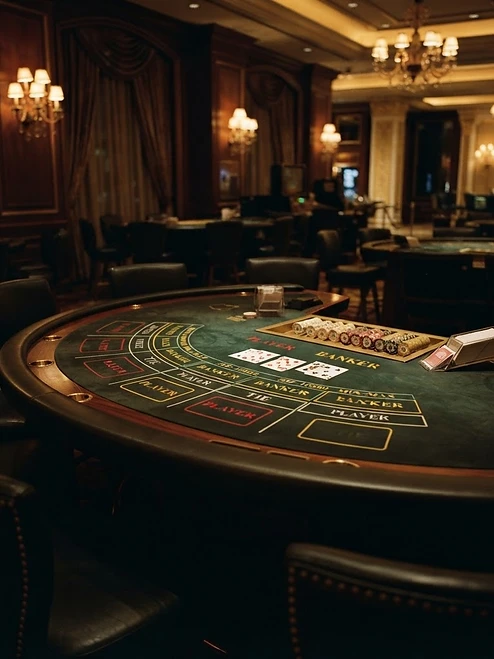
Baccarat
The game of kings and high rollers — deceptively simple, statistically deep, and the highest-stakes game in the casino.
Born in Italy, refined in the gambling halls of 19th-century France, and carried to every casino floor in the world — baccarat is the game James Bond plays, and the game where the house edge is the thinnest in the building.
Start Day 1
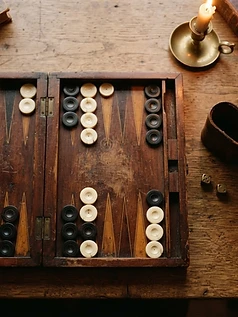
Backgammon
The oldest game you can still play — five thousand years of dice, strategy, and the oldest argument in gaming: skill versus luck.
Played in ancient Mesopotamia, Rome, and Persia, backgammon is the oldest board game still played today — a race of fifteen checkers and two dice that has outlived every empire that ever played it.
Start Day 1
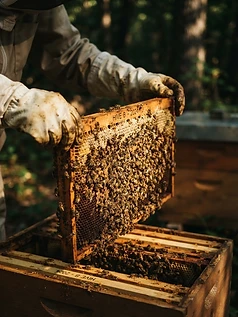
Backyard Beekeeping
Keeping a colony is keeping a promise to something larger than yourself.
Cave paintings in Valencia show honey hunters 8,000 years ago — our oldest partnership with a creature we still do not fully understand.
Start Day 1

Badminton
The fastest racket sport on earth: a dance of reflexes, deception, and the feathered shuttle's slow, telling arc.
Descended from the Indian game of poona and codified in 1873 at Badminton House in Gloucestershire, badminton pairs the gentlest of objects — a feathered shuttlecock — with the quickest of reactions. It is a sport of deception and angles, where the slow drift of the shuttle belies rallies played at speeds no other racket sport can match.
Start Day 1

Ballroom Dancing
A synchronized dialogue in movement, where the music guides the frame and the floor becomes a sanctuary.
Born from the elegant court dances of 16th-century Europe, ballroom evolved into a structured art form by the early 20th century. The 1912 standardization of the Viennese Waltz solidified the poise, rhythm, and connection that define the social ballroom experience today.
Start Day 1

Baseball Card Collecting
A pocket-sized archive of the national pastime — where a child's bubblegum premium became a century-long pursuit of condition, rarity, and the stories cardboard can carry.
Born as a tobacco premium and raised on bubblegum, baseball card collecting is a pocket-sized archive of the national pastime — where condition, rarity, and a single rookie card can hold a century of the game's memory.
Start Day 1
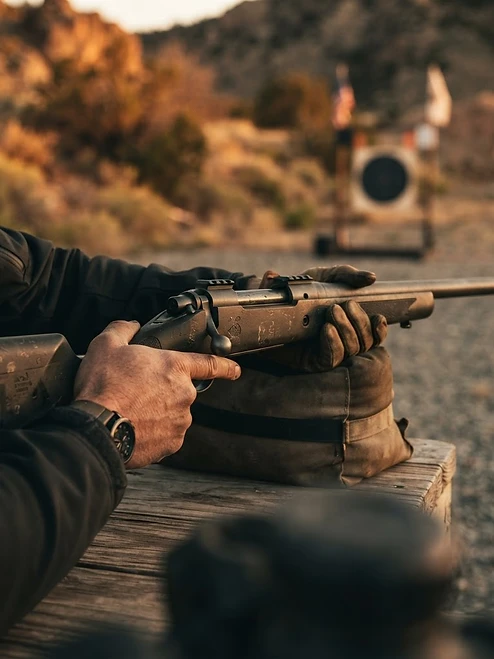
Basic Marksmanship
From the longbow to the precision rifle — the timeless fundamentals of putting one shot exactly where you intend.
Long before firearms, the fundamentals of marksmanship were forged by archers who learned to read wind, distance, and their own pulse. The rifle inherited those principles and refined them into a discipline that rewards stillness, patience, and absolute consistency above all else.
Start Day 1

Basic Self-Defense
Not to fight, but to never be helpless — the ancient art of walking through the world unafraid.
The earliest documented combat traditions appear on Mesopotamian and Egyptian reliefs circa 3000 BCE — but self-defense as a civilian discipline is a far more recent invention.
Start Day 1

Basic Understanding of Artificial Intelligence
From the Dartmouth Conference to ChatGPT — a grounded passage through the field that is reshaping everyday life.
In the summer of 1956, a small group of scientists gathered at Dartmouth College for a workshop that would name a field. They believed that human intelligence could be so precisely described that a machine could simulate it. Seven decades later, artificial intelligence has moved from cold war research labs into every pocket, every feed, and every conversation about the future.
Start Day 1
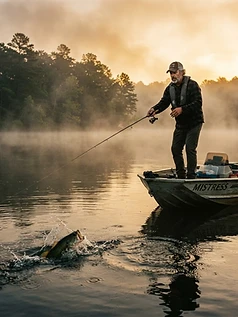
Bass Fishing
The American sport — a quiet morning on the water and a lifelong study of a fish that does not care whether you are there.
From the Haskell minnow of 1859 and James Heddon's whittled plug to Ray Scott's Bassmaster Classic, bass fishing is the American sport — a quiet morning on the water and a lifelong study of a fish that does not care whether you are there.
Start Day 1

BBQ — Brisket, Ribs, Chicken, Burnt Ends & Sausage
Mastering the slow fire: A meditative journey through smoke, patience, and the American soul of low-and-slow craft.
Born from Taino barbacoa techniques and refined in Southern plantation pits, American BBQ evolved through the intersection of Caribbean, African, and European influences. It transformed modest, tough cuts into culinary legends through the essential mastery of wood, fire, and time.
Start Day 1
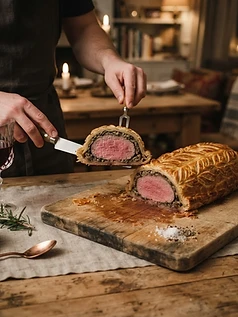
Beef Wellington
Golden pastry, silk-soft filet, and earthy duxelles: an exercise in patience, precision, and the art of the sear.
Born from the French tradition of filet de bœuf en croûte, this dish reached the American home through Julia Child’s 1965 television debut. It transformed from an aristocratic French staple into the ultimate mid-century centerpiece, defining the elegance of the home-cooked holiday feast.
Start Day 1
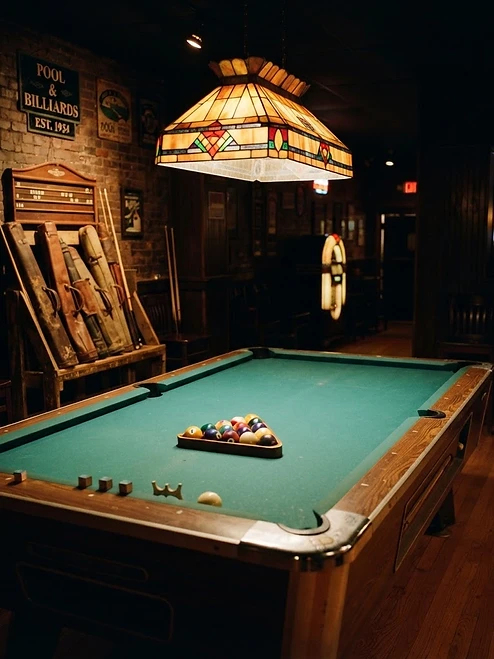
Billiards
A game of geometry, touch, and nerve played on green felt since the 15th century — the table is a canvas, the cue is a brush, and every shot is a small negotiation with physics.
Billiards evolved from a lawn game similar to croquet, moved indoors to a table with green cloth to mimic grass, and by the 15th century was the pastime of European royalty — Louis XIV of France played, and Mary Queen of Scots was buried wrapped in her billiard cloth.
Start Day 1
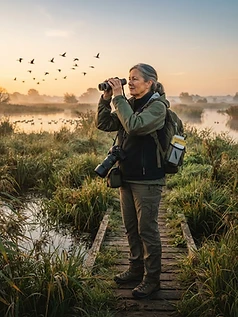
Birding
The quietest adventure — a pair of binoculars, a field guide, and a lifetime of learning to see what was always there.
From Aristotle's observations of migration through John James Audubon's painted folios and the 20th-century backyard feeder boom to today's global eBird database, birding turned looking at birds into the world's most popular hobby after gardening.
Start Day 1
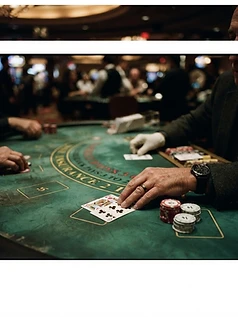
Blackjack
The hit, the stand, the count — a deck, a chart, and a bet, where the luck is in the cards and the edge is in the math.
From the 17th-century Spanish ventiuna described by Cervantes through French vingt-et-un, 1930s Nevada legalization, and Edward Thorp's 1962 basic strategy that turned a gamble into a math problem solvable with a chart.
Start Day 1

Boating
Master the horizon and reclaim your rhythm: The timeless art of navigating the open water.
From the bundled papyrus reeds of ancient Mesopotamia in 4000 BCE to the sleek, motorized vessels of today, boating has defined human exploration. This evolution from survival tool to recreational pursuit reflects our enduring desire to seek freedom beyond the shoreline.
Start Day 1
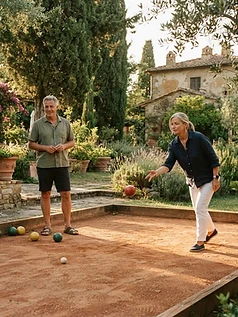
Bocce
The ancient art of rolling one ball closer than another — and arguing the measurement.
From stones tossed by Roman soldiers to the clay courts of the Italian piazza, bocce is one of the oldest games humanity still plays — and one of the few that gets easier with age.
Start Day 1

Bonsai
The art of a tree in a tray — a patience measured in decades and a tree that will outlive you.
From the Tang dynasty penjing of 700 CE and the five-needle pine tended since 1610 to John Naka's Goshin and the bicentennial gift of 1976, bonsai is the art of a tree in a tray and a patience measured in decades.
Start Day 1

Bouldering
Ascend the stone with precision: a quiet, vertical dialogue between strength and mindfulness.
Born in the Fontainebleau forests of 19th-century France, bouldering evolved from a training ground for alpinists into an independent athletic discipline. It transformed from outdoor technical practice to a global movement, emphasizing puzzle-solving over sheer height.
Start Day 1

Bread Making
Mastering the alchemy of flour, water, and heat: an ancient rhythm for the modern home.
Bread making dates back to 6000 BCE in Ancient Egypt, where accidental fermentation revealed the magic of leavened dough. From those early clay ovens to the modern kitchen, the craft has evolved into a global symbol of domestic patience and sustenance.
Start Day 1
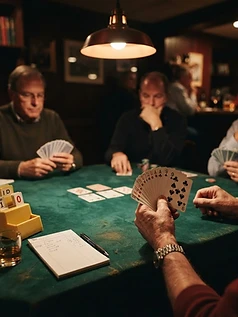
Bridge
Master the art of the silent conversation, where every bid is a promise and every trick holds a story.
Evolving from the 16th-century English game of Whist, Bridge crystallized into its modern form aboard the SS Finland in 1925. Harold Vanderbilt codified the scoring system of Contract Bridge, transforming a simple pastime into a precise, high-stakes intellectual pursuit.
Start Day 1
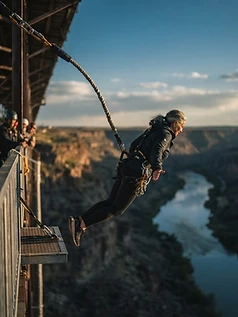
Bungee Jumping
Defy the horizon: rediscover your pulse through the timeless art of the free fall.
Modern bungee jumping traces its roots to 1979, when the Oxford University Dangerous Sports Club performed the first recorded leaps from the Clifton Suspension Bridge. It later evolved into a global phenomenon in 1988, thanks to the pioneering commercial operations of A.J. Hackett in New Zealand.
Start Day 1
Camping
Pitch a tent, light a fire, sleep under stars — the oldest way to spend a night outdoors.
Camping as recreation emerged in the late 19th century, when Victorian adventurers traded feather beds for canvas tents and the open moor — chasing a deliberate return to the wild that civilization had just made optional.
Start Day 1

Candle Making
Master the alchemy of light and scent, transforming simple wax into a bespoke beacon of comfort.
From the tallow dips of medieval hearths to the fragrant soy jars of today, candle making has evolved from a survival necessity into an art form. It bridges the gap between ancient survival and modern mindfulness.
Start Day 1
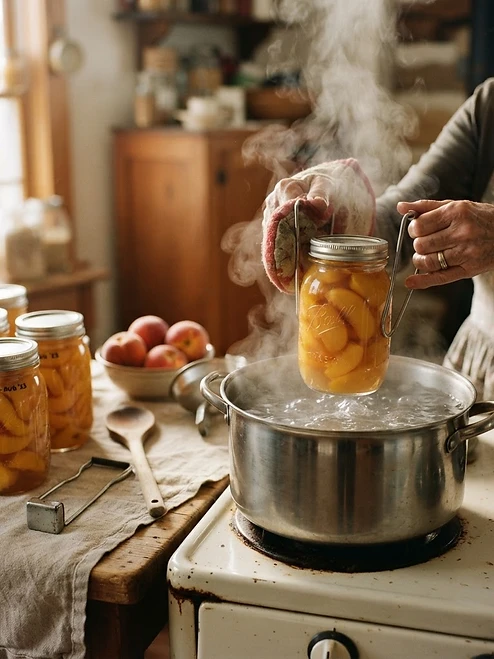
Canning
The art of the harvest captured: preserving the seasons within the clarity of glass.
Born from Napoleon’s need to feed his armies, Nicolas Appert pioneered heat-based preservation in 1795. His discovery that food sealed in glass jars and boiled remained shelf-stable laid the essential foundation for the modern home pantry.
Start Day 1

Canoeing
Find your rhythm in the silent glide, where every stroke reconnects you to the ancient pulse of the water.
Canoeing traces its roots to 8000 BCE, when North American indigenous peoples fashioned dugout vessels from hollowed-out logs. These craft later evolved into iconic birchbark designs, creating a sophisticated maritime legacy that has defined wilderness travel for millennia.
Start Day 1

Carnival Games
Master the midway: Crafting the vibrant, nostalgic allure of classic carnival games in your own workshop.
Born from the spectacle of the 1893 Chicago World's Columbian Exposition, these games evolved from professional midway attractions into cherished symbols of American recreation, defined by hand-painted aesthetics and the tactile satisfaction of a well-engineered challenge.
Start Day 1

Checkers
The simplest board in the house — and one of the hardest games in the world.
From the Egyptian temple roof of Alquerque through the French marriage with the chessboard, the English draughts, and the American country store, checkers is the simplest board in the house — and one of the hardest games in the world.
Start Day 1
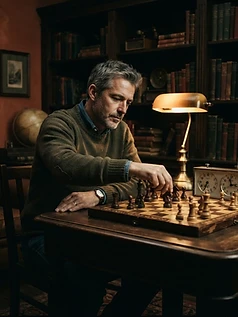
Chess
The oldest game that gets harder the more you learn — and the rarer one that rewards a lifetime of study with a lifetime of defeat.
From the Indian war game of chaturanga through the Persian shah mat, the mad queen of 15th-century Europe, and Deep Blue's defeat of Kasparov, chess is the oldest game that gets harder the more you learn.
Start Day 1
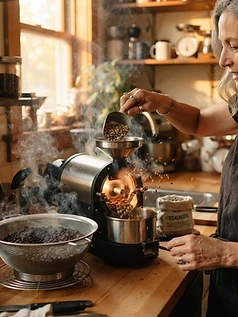
Coffee Roasting
Green beans, heat, and your own palate — the oldest kitchen alchemy, where ten minutes and a thermometer give you coffee no shop can sell.
From the 15th-century Yemeni Sufi monks who first roasted coffee beans through the Ottoman coffee houses, the European cafe tradition, and the third-wave home roasting revival, coffee roasting turned a seed into the world's most traded commodity after oil.
Start Day 1
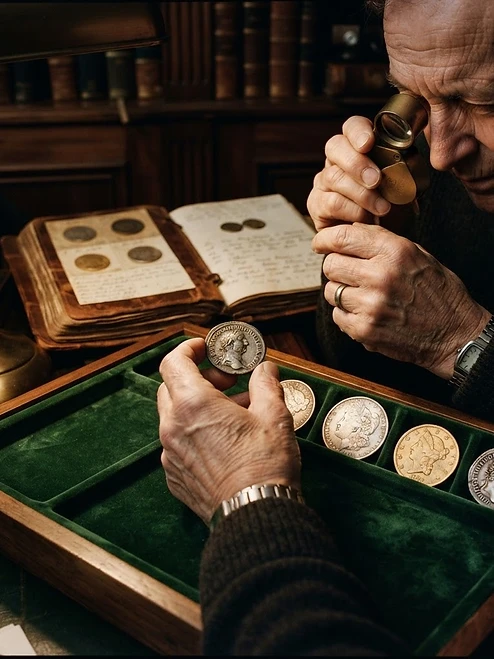
Coin Collecting
Numismatics: The silent weight of history resting in the palm of your hand.
Born in the private cabinets of Roman Emperors like Augustus, coin collecting—or numismatics—evolved from a royal privilege into a scholarly pursuit. By the 14th century, visionaries like Petrarch began cataloging these metallic artifacts, transforming currency into a tangible bridge to antiquity.
Start Day 1

Compound Bow Archery
The mechanical marvel — pulleys, cams, and a let-off that lets you hold the draw as if it weighs nothing at all.
Invented in 1966 by Holless Wilbur Allen in Missouri, the compound bow uses a system of cables and eccentric cams to store energy far more efficiently than any traditional bow, then gives it back as 'let-off' — reducing the holding weight at full draw by 65 to 80 percent.
Start Day 1

Cook with a Smoker
Master the alchemy of fire and timber: where patience transforms simple cuts into legendary feasts.
Born in Paleolithic caves, smoking served as humanity's first survival mechanism. By utilizing smoke's antimicrobial phenols, ancient cultures transformed perishable game into durable sustenance, refining this primitive necessity into a global culinary art form.
Start Day 1
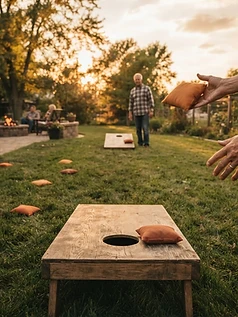
Cornhole
A backyard toss with a thousand-year arc — four bags, two boards, and a throw that rewards the quiet hand over the strong arm.
Born in medieval German bean-bag games, carried to Kentucky by a farmer named Jebedia McGillicuddy in 1883, and reborn in 1990s Cincinnati bar leagues, cornhole turned a simple lawn toss into a national pastime with its own pro circuit.
Start Day 1
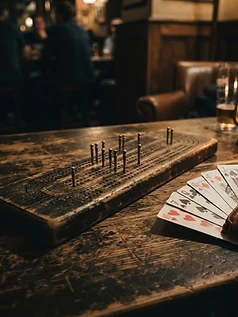
Cribbage
A pub game invented by a poet, played with pegs and a deck of cards — easy to learn in an afternoon, deep enough to argue about for the rest of your life.
Invented around 1632 by Sir John Suckling, an English poet and gambler who refined the older game of noddy, cribbage is the card game that carries its own scoreboard — a wooden board and brass pegs — and a vocabulary of fifteens, pairs, runs, and the knave that heels the jack.
Start Day 1

Cricket
A game built for a long afternoon: the oldest bat-and-ball duel in the world, where patience, conditions, and a still head matter as much as talent.
Born on the village greens of Tudor England and carried by empire to every continent, cricket is a game built for a long afternoon — a duel of bowler and batter measured in sessions rather than seconds, where patience and conditions matter as much as talent.
Start Day 1

Crochet
The infinite loop: transforming a single strand of fiber into structure, warmth, and legacy.
Crochet emerged in the early 19th century, evolving from 18th-century tambour embroidery and traditional Scottish shepherd's knitting. By the 1840s, it transitioned from a specialized textile technique into a distinct craft defined by the rhythmic manipulation of yarn through a hooked needle.
Start Day 1
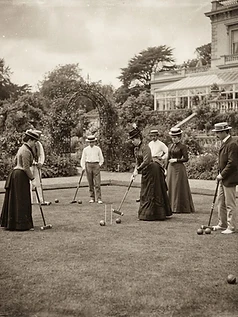
Croquet
The Victorian lawn sport of mallets, wickets, and tactical ball play, where social grace meets strategic depth.
Born in the Victorian gardens of 1850s England, croquet was the first outdoor sport where men and women could compete together, a genteel game of mallets and wickets that swept the empire and never quite left.
Start Day 1

Cyclocross
The winter sport the road racers invented — an hour in a field in the rain, a bike on the shoulder, and the hard thing that is the fun thing.
From Daniel Gouin's 1902 race at Saint-Cloud and the French road racers' winter training through Jean Robic, Eric De Vlaeminck's seven world titles, Sven Nys, and Mathieu van der Poel to the 33-millimeter tire and the one-hour race, cyclocross is the winter sport that became its own discipline and the strangest and most demanding of the cycling sports.
Start Day 1
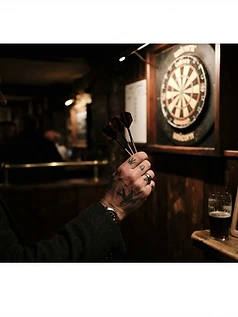
Darts
Precision, focus, and the quiet rhythm of the oche: master the centuries-old art of the dart.
Born in medieval military camps, darts evolved from soldiers tossing short arrows at wine barrels during downtime. By the late 19th century, this tavern pastime transformed into a standardized test of skill, math, and steady nerves that persists in clubs and homes worldwide today.
Start Day 1

Debate
Sharpen your intellect and reclaim the art of discourse: a timeless duel of logic for the Second Prime.
Debate traces its roots to 5th-century BCE Athens, where Sophists taught rhetoric and Socrates refined the elenchus. From these ancient forums to the medieval university and the modern public square, it remains the ultimate exercise in critical thinking.
Start Day 1

Disc Golf
Frisbee grown up — a walk in the park with a thrower's challenge, where every tree is a hazard and every basket is a target.
From George Sappenfield's 1960s Frisbee golf games and the first permanent course at Oak Grove in Pasadena to today's 13,000+ courses worldwide and the PDGA pro tour, disc golf turned a toy toss into one of the fastest-growing sports in America.
Start Day 1

Distance Running — 5K to 100 Miles
Beyond the threshold: Mastering the rhythm of the road from the suburban 5K to the ultramarathon horizon.
Born from the savanna hunter’s endurance and the Greek messenger’s desperate sprint, distance running is humanity’s primal mode of travel. It bridges the gap between the 490 BCE legend of Pheidippides and today’s global trail-running community.
Start Day 1
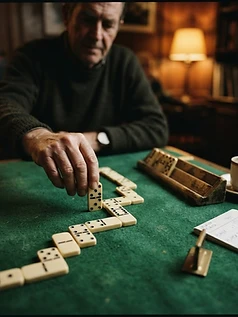
Dominoes
Master the art of the ivory line—where strategy meets serendipity in a timeless dance of pips and porcelain.
Born in 12th-century China as a divination tool, dominoes evolved from imperial court pastimes into a global language of logic. By the 18th century, the game reached Europe, shedding its esoteric roots to become the cherished tabletop strategy we recognize today.
Start Day 1

Dominoes
The ancient tile game of matching pips, counting moves, and social ritual, where strategy hides behind simple rules.
From the Song Dynasty courts of China to the domino parks of Miami's Little Havana, dominoes is a nine-hundred-year-old game of matching tiles, sharp counting, and social ritual.
Start Day 1
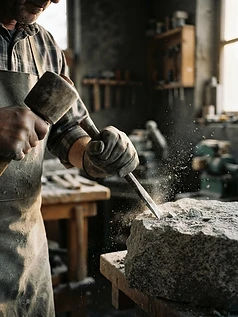
Dry Stone Masonry
Stacking stone without mortar, and trusting the geometry of patience.
Fields cleared of stone became walls that needed no mortar — a craft older than recorded history, built on friction and foresight.
Start Day 1

Euro Nymph Fly Fishing
Tight-line nymphing without an indicator — the competitive technique that rewrote how the world catches trout
Born on the competitive circuits of Poland, Czechia, and France, Euro nymphing replaced the bobber with a 'sighter' — a section of colored monofilament that telegraphs takes invisible to the naked eye.
Start Day 1
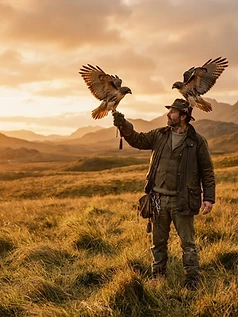
Falconry
The oldest partnership between human and predator — training a wild raptor to hunt from your fist, as kings and nomads have done for four thousand years.
Falconry — training a bird of prey to hunt wild quarry in its natural state — is the only sport in which the human is not the hunter but the partner, working with a creature that could leave at any moment and chooses to return.
Start Day 1
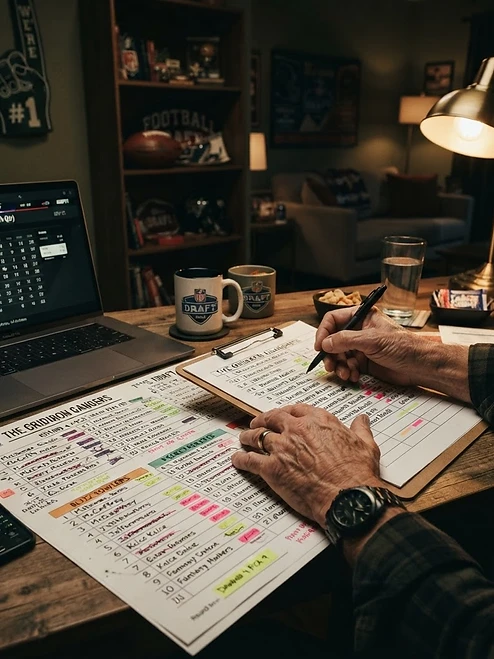
Fantasy Football
Architects of the Gridiron: Mastering the Art of the Sunday Draft.
Born in a 1962 Manhattan hotel room, the Greater Oakland Professional Pigskin Prognosticators League turned sports fandom into a strategic masterclass. It evolved from humble paper-and-pencil roots into a global phenomenon that rewards intellect and patience over raw athletic prowess.
Start Day 1

Fasting
The oldest health practice in human history — learning to sit with hunger and discover what your body is built to do.
Fasting is the oldest health practice in human history and the only one that costs nothing. Every religion has prescribed it, every physician from Hippocrates onward has studied it, and every human body is already built for it.
Start Day 1
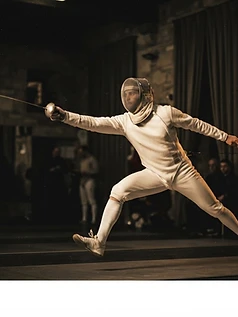
Fencing
The original physical chess — a conversation of blades where measure, timing, and the line that opens decide the point before the thought completes.
Born from the duel of honor and refined in the salles of Italian and French masters, fencing is the original physical chess — a conversation of blades where measure, timing, and the line that opens decide the point before the thought completes.
Start Day 1

Film Photography & Darkroom
Twelve exposures, no preview, and the slow joy of developing your own seeing.
From Daguerre's silver plates in 1839 to the roll film that let everyone carry a camera — the image made by chemistry and patience.
Start Day 1
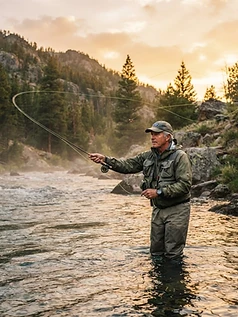
Fly Fishing
Reading water, casting a line, and waiting for a fish to believe the lie you throw across the current.
Roman Claudius Aelianus described Macedonian anglers casting feathered hooks for speckled trout in the 2nd century — the first written record of fishing with an artificial fly.
Start Day 1

Fly Tying
Feather, thread, and hook — the sculpture of a lie, tied small enough to fool a fish into believing it is real.
Roman Claudius Aelianus described Macedonian anglers dressing hooks with red wool and feathers in the 2nd century — the first written record of the artificial fly, a craft that became an art form unto itself.
Start Day 1

Full Body Daily Stretching
The oldest wellness practice, and the most reliable way to feel younger tomorrow.
Stretching postures appear in Egyptian tomb paintings from 3000 BCE. The Indus Valley Civilization wove stretch, breath, and meditation into yoga by 2700 BCE.
Start Day 1

Gardening
The oldest conversation between a human and the ground — and the one that pays in tomatoes.
From the saved seeds of the Fertile Crescent to the walled paradises of Persia and the cottage gardens of England, gardening is the oldest conversation between a human and the ground — and the one that pays in tomatoes.
Start Day 1

Genealogy
Trace the silent echoes of your lineage through the dust of centuries and the precision of modern record.
Genealogy evolved from ancient oral storytelling to the structured precision of medieval parish registers. Today, it bridges the gap between ancestral memory and digital clarity, transforming scattered names into a cohesive personal narrative.
Start Day 1

Gold Panning
Master the art of the river, where gravity and patience reveal the hidden weight of the earth.
Born in antiquity and refined during the 1849 California Gold Rush, gold panning evolved from ancient alluvial washing techniques. It remains the essential bridge between historical prospecting and modern outdoor recreation.
Start Day 1
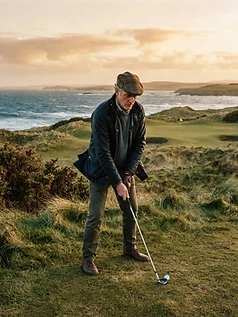
Golf
The sport the Scots gave the world — a four-mile walk, a swing you can make at seventy, and a handicap that lets you play against your grandchildren.
From the 1457 Act of James II that banned golf for distracting subjects from archery, through the feathery ball and the gutty, the Haskell wound ball and the dimple, the hickory shaft and the titanium driver, golf is the sport the Scots gave the world on the wind-bent coast at St Andrews.
Start Day 1
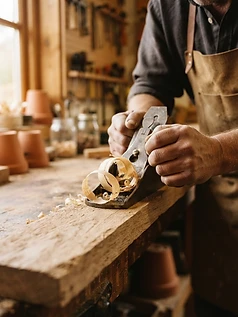
Hand Tool Woodworking
The quiet of a plane and a chisel — wood shaped by patience, not horsepower.
Before the router, there was the plane. Before the plane, there was the adze. The hand tool is the oldest contract between hand and material.
Start Day 1
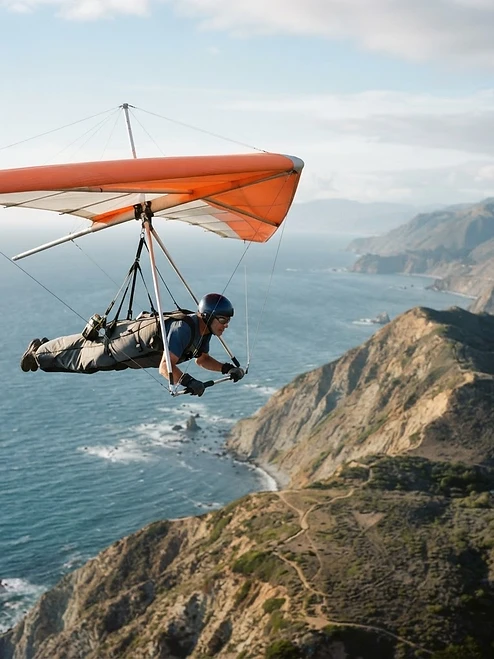
Hang Gliding
Master the art of silent flight: where human curiosity meets the boundless grace of a thermal.
Born from Otto Lilienthal’s pioneering 1899 glider experiments, hang gliding evolved through Francis Rogallo’s flexible wing design in 1948. By the 1970s, innovators like Bill Moyes transformed it into the accessible, foot-launched pursuit we know today.
Start Day 1

Harmonica
A pocket-sized orchestra — the instrument that taught America the blues, one bent note at a time.
The harmonica is the only instrument small enough to carry in your shirt pocket that can make a room full of strangers weep. Ten holes, twenty reeds, and a lifetime of breath — it is the instrument that taught America the blues.
Start Day 1
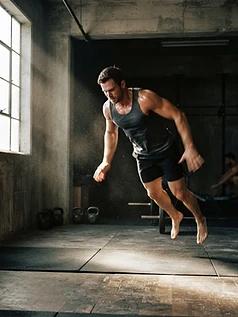
HIIT Training
The shortest, hardest workout in the world — bursts of all-out effort broken by brief rests, and the science that proved less can be more.
From the 1996 Tabata protocol and the Gibala lab's sprint intervals through the boutique studio boom and the smartwatch that counts the seconds, HIIT is the workout that compressed an hour into four minutes and changed what 'fit' means.
Start Day 1

Homemade Craft Beer
Master the alchemy of grain and hop: a meditative pursuit for the modern brewer.
Brewing traces its lineage to 5000 BCE Sumer, where fermented grain fed civilization. It evolved through the Bavarian Purity Law of 1516 and solidified in American culture following the 1979 legalization of homebrewing, transforming a prehistoric necessity into a sophisticated culinary art.
Start Day 1
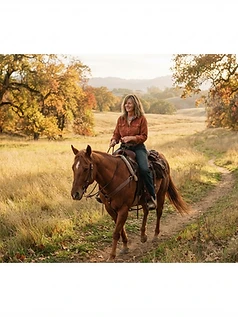
Horseback Riding
A conversation with a thousand-pound animal that does not share your language, your instincts, or your sense of time.
From the bare backs of the Botai steppes to the cavalry schools of Europe and the cattle ranges of the West, horseback riding is the oldest partnership between a human and another mind — and the only one where the partner can choose not to listen.
Start Day 1

Horseshoes
The classic American backyard pitching sport of ringers, leaners, and friendly competition on any patch of flat ground.
From Roman army camps to American backyard barbecues, horseshoes is the people's pitching sport — a game of metal, sand, and stakes that has been a fixture of picnics and county fairs for over a century.
Start Day 1
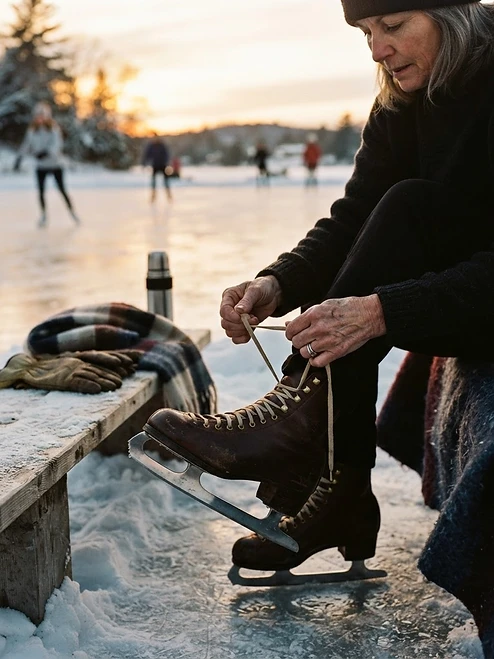
Ice Skating
Master the art of the blade: rediscover the quiet, rhythmic grace of gliding across the winter ice.
Born on the frozen canals of the 13th-century Netherlands, early skaters strapped sharpened animal bones to their feet. This utilitarian method of transit evolved into a refined art form, eventually finding its definitive expression through 19th-century innovators like Jackson Haines.
Start Day 1
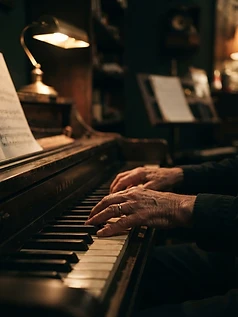
Jazz Theory & Improvisation
Learning the rules deeply enough to break them in real time.
From New Orleans' crossroads of brass and blues, a music was born that treated theory as a license to leave it.
Start Day 1
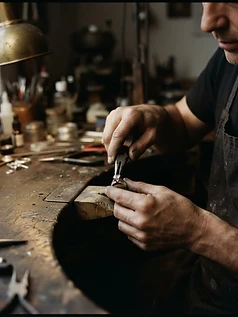
Jewelry Making
The oldest craft that fits in the hand — a wire, a flame, a stone, and the slow work of turning raw metal into something worn against the skin.
From the 100,000-year-old shell beads of North Africa through the goldsmiths of ancient Egypt and the Renaissance bench to the wire-wrap and metalsmithing revival, jewelry making is the oldest craft and the one that taught humans to work metal at all.
Start Day 1
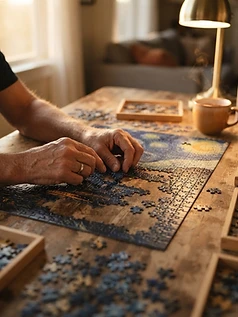
Jigsaw Puzzles
Piece by piece, restore the world to its proper order.
Born in the 1760s London workshop of mapmaker John Spilsbury, the jigsaw puzzle began as a didactic tool for geography. By mounting engravings onto mahogany and slicing them along national borders, Spilsbury transformed tedious memorization into a tactile pursuit of discovery.
Start Day 1

Jiu Jitsu
A chess game played with the whole body, where the smaller piece can take the larger one — if it understands leverage.
From the unarmed combat of the samurai to the Kodokan of Jigoro Kano and the Gracie family of Rio, jiu jitsu is the art that proved a smaller, older person can defeat a bigger, younger one — if they understand leverage better.
Start Day 1
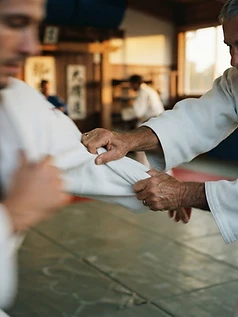
Judo
Master the gentle way: where leverage becomes grace and every fall is a lesson in resilience.
Born in 1882 Tokyo, Jigoro Kano synthesized ancient jujutsu techniques into a disciplined system of physical and mental growth. By stripping away lethal combat elements, Kano focused on maximum efficiency, establishing the Kodokan to cultivate character through the art of judo.
Start Day 1
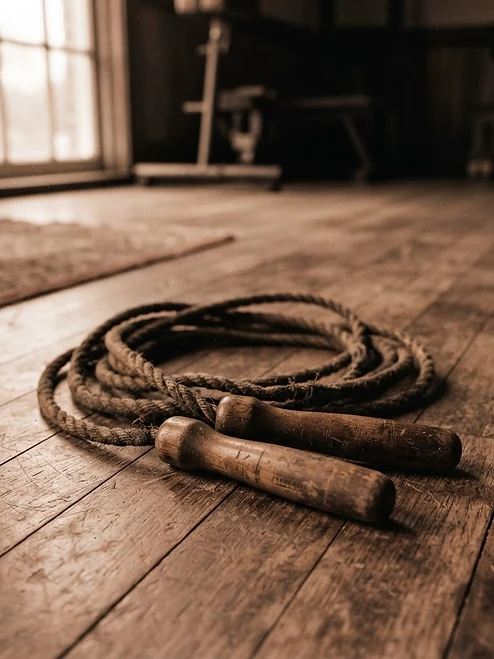
Jump Rope
The cheapest gym ever built, and the fastest way back to coordination.
The jump rope appears in Egyptian murals from 1600 BCE. Sailors turned spare rigging into a workout, and boxers made it the cornerstone of footwork training.
Start Day 1

Kayaking
Find your rhythm in the silence between strokes—an ancient pulse for your second prime.
Born 4,000 years ago in the frigid Arctic, Inuit hunters crafted skin-on-frame vessels to navigate icy waters with silent precision. This enduring design evolved from essential survival tools into a global pursuit of solitude and exploration.
Start Day 1

Knitting
Two sticks and a strand of wool — the oldest portable craft, where every stitch is a small act of patience and every finished piece is a record of time well spent.
From the 11th-century Egyptian knitted cotton socks through the medieval European guilds, the wartime knitting campaigns, and the 21st-century Ravelry community, knitting turned a loop of yarn into the world's most enduring handcraft.
Start Day 1
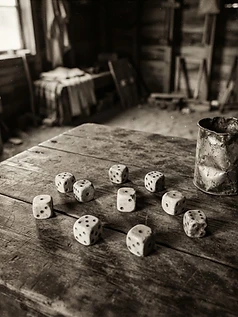
Liar's Dice
The ancient bluffing game of hidden dice and bold claims, where probability meets nerve.
Born in the gambling dens of South America and carried to California by Spanish settlers, Liar's Dice is a game where truth is a wager and every raise is a dare.
Start Day 1
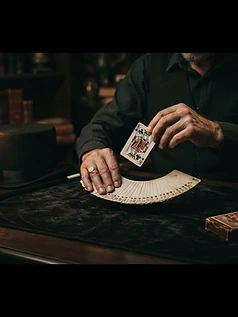
Magic Tricks
Master the art of the impossible, where precision meets performance in a dance of shadow and light.
Magic traces its lineage to 2700 BCE, recorded in the Westcar Papyrus where Dedi of Egypt performed the decapitation and restoration of a goose. This ancient root evolved through medieval street performances into the polished salon arts of the 19th century.
Start Day 1

Mahjong
A symphony of tiles and chance, where the rhythm of the wall meets the precision of the focused mind.
Emerging from the bustling Ningbo region during the Qing Dynasty, Mahjong evolved from ancient card games into a sophisticated tile-based competition. By the early 20th century, it traveled across oceans, finding a permanent home in the global cultural lexicon.
Start Day 1

Making Jelly
Capturing the essence of the orchard in a glass, one set at a time.
Born from early 20th-century innovation, jelly making evolved from slow-boiled preserves to the precise science of 1917 commercial pectin. This transformation democratized the kitchen, turning seasonal abundance into a timeless culinary ritual.
Start Day 1
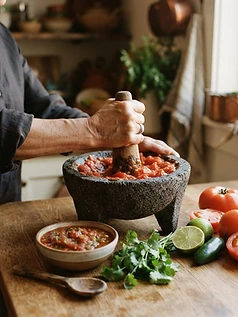
Making Salsa
The alchemy of stone, fire, and vine: mastering the ancient art of the molcajete.
Born in the markets of Tenochtitlan, salsa originated from the Aztec tradition of grinding chiles and tomatoes in volcanic stone mortars. This practice combined indigenous botanical wisdom with the sensory precision of pre-Columbian culinary arts.
Start Day 1
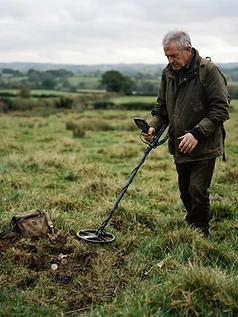
Metal Detecting
Unearth the silent narratives of the soil, where every sweep of the coil whispers a story from the deep past.
Born from the industrial necessity of wartime mine clearance, metal detecting evolved from heavy, surplus military hardware into a sophisticated pursuit of history. By the 1950s, hobbyists repurposed these technologies to uncover lost relics, transforming a tool of war into a lens for discovery.
Start Day 1

Mobility Training
Not stretching, not flexibility — the active practice of controlling every corner of every joint, one slow rotation at a time.
Formalized in the early 2010s by Dr. Andreo Spina, Corrective Articular Rotations (CARs) teach the nervous system to control every corner of a joint's range — the active practice that separates mobility from mere flexibility.
Start Day 1
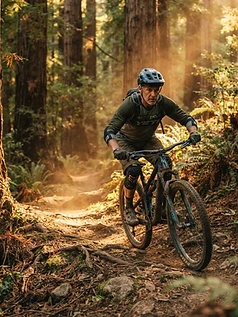
Mountain Biking
The youngest sport in the archive — a trail that goes where the road does not, a bike that goes where the car cannot, and a forest that is the place the trail leads.
From the 1976 Repack race on Mount Tamalpais and Joe Breeze's 1977 Breezer frame through Gary Fisher, Tom Ritchey, and the 1981 Specialized Stumpjumper to the RockShox suspension fork and the 29-inch wheel, mountain biking is the youngest sport in the archive and the one invented on a California mountain.
Start Day 1
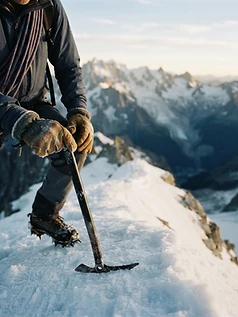
Mountaineering
Ascend beyond the daily horizon to discover the profound clarity of the high-altitude silence.
Modern mountaineering began on August 8, 1786, when Jacques Balmat and Michel-Gabriel Paccard conquered Mont Blanc. This historic feat transformed mountain peaks from forbidden obstacles into the ultimate frontiers for human exploration.
Start Day 1
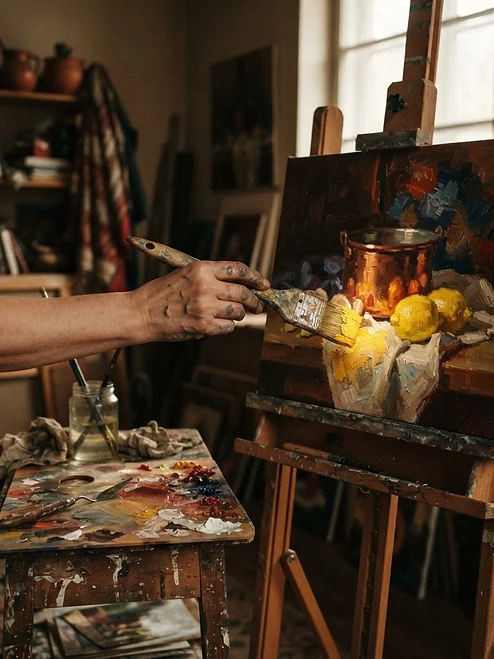
Oil Painting
Capture the fleeting nuances of light and shadow through the enduring, luminous tradition of oil painting.
Rooted in 15th-century Flanders, oil painting evolved from precise panel work by masters like Jan van Eyck into a global artistic standard. It migrated through Venetian studios and Dutch workshops, perfecting the slow-drying glazes that define its unique, light-refracting depth.
Start Day 1

Orienteering
Navigate by needle and wit: rediscover the landscape through the art of orienteering.
Born in the rugged forests of Scandinavia, orienteering transitioned from a 19th-century military exercise into a global pursuit. The first public competition in 1897 near Oslo set the stage, evolving into a sophisticated sport defined by the International Orienteering Federation in 1961.
Start Day 1

Paragliding
Ascend beyond the horizon: rediscovering the silence of the sky through the art of foot-launched flight.
Born from Domina Jalbert's 1965 ram-air parafoil, paragliding evolved in 1978 when French mountaineers first launched from alpine slopes. What began as a bold descent transformed into a sophisticated discipline of thermal soaring and long-distance navigation.
Start Day 1

Parkour
Master the urban landscape: turn every obstacle into a fluid, rhythmic expression of strength and agility.
Born from Georges Hébert’s early 20th-century 'Méthode Naturelle,' parkour evolved into a modern discipline in the 1990s. David Belle and the Yamakasi group transformed the suburbs of Lisses, France, into a playground that redefined human movement through urban architecture.
Start Day 1

Piano
The instrument that taught the world to practice — ten notes at once and a literature that fills a lifetime.
From Bartolomeo Cristofori's 1700 pianoforte in Florence and Beethoven's iron frame to the upright that conquered the American parlor, the piano is the instrument that taught the world to practice.
Start Day 1
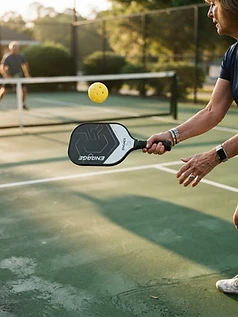
Pickleball
A rhythmic dance of paddles and plastic; the backyard invention that conquered the American court.
Born in 1965 on Bainbridge Island, Washington, three fathers—Joel Pritchard, Bill Bell, and Barney McCallum—sought to entertain their bored children. They improvised with a lowered badminton net, plywood paddles, and a perforated ball, accidentally sparking a global sporting phenomenon.
Start Day 1
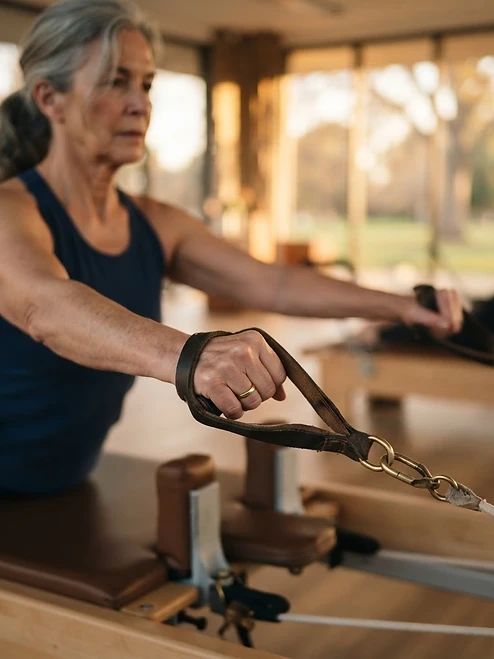
Pilates
Reclaim your posture and inner resolve through the precise, intentional movements of classical Contrology.
Conceived by Joseph Pilates during his WWI internment, the practice began as a rehabilitative system. He later refined his method in 1920s Germany and brought it to New York City, where it evolved from a dancer’s secret into a global standard for functional longevity.
Start Day 1
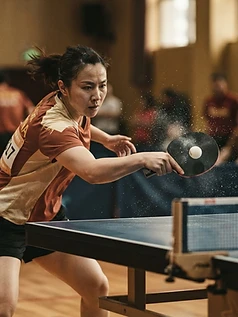
Ping Pong
Nine feet of table and a lifetime of spin: the fastest parlor game on earth, where guile beats power and the wrist decides everything.
Born as an after-dinner parlor game in Victorian England — books for nets, cigar-box lids for paddles — ping pong grew into one of the fastest reflex sports on earth. Its small stage hides a deep game of spin, angle, and guile.
Start Day 1
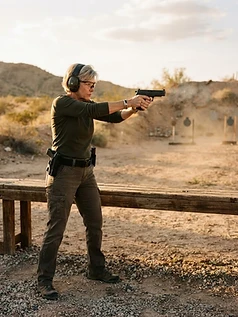
Pistol Shooting
The quiet discipline of putting one hole exactly where you intend.
Born from dueling codes and military sidearms, pistol shooting became a civilian marksmanship craft when returning GIs brought the 1911 home from the trenches.
Start Day 1
Podcasting
Press record on the next chapter.
Born in 2004 from a hardware hacker's RSS hack, podcasting turned radio inside out — giving every voice a frequency and every story a feed.
Start Day 1

Poetry
The oldest art and the one that costs nothing — a pen, a page, and the willingness to pay attention.
From the Epic of Gilgamesh on clay tablets in 3000 BCE and Homer's sung hexameter to Bashō's haiku, Shakespeare's sonnets, Whitman's free verse, and the Chicago poetry slam of 1986, poetry is the oldest art and the one that costs nothing.
Start Day 1

Poker
Master the art of the calculated risk in a contest of logic, patience, and nerves.
Born on the bustling 19th-century Mississippi riverboats, poker evolved from European betting games like Poque and Pochen. It quickly migrated to the rugged frontier saloons, cementing itself as the quintessential American test of character and strategy.
Start Day 1
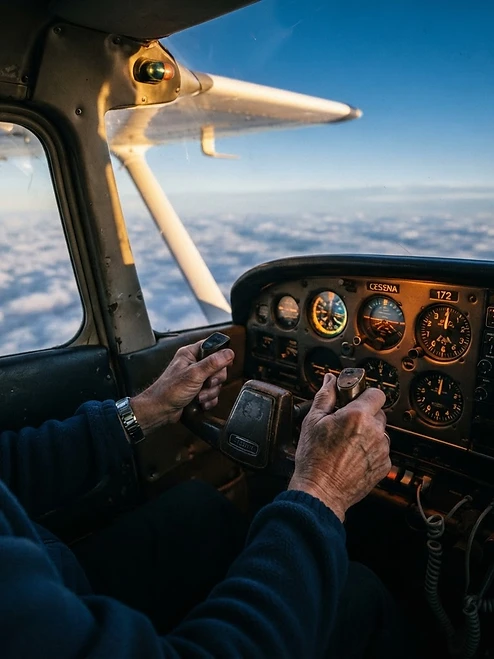
Private Pilot License
Beyond the threshold of the clouds: Mastering the skies as your ultimate second act.
Forged in the legislative wake of the 1926 Air Commerce Act, civilian aviation evolved from a daring frontier pursuit into a structured discipline. Today, it remains the ultimate pursuit for those who have traded the hum of the office for the quiet resonance of the cockpit.
Start Day 1
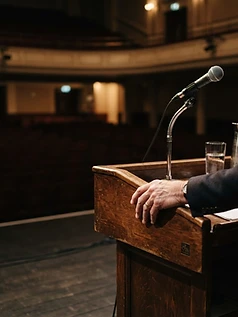
Public Speaking
The architecture of conviction: refining the art of the spoken word in the golden hour of life.
Born in the bustling Greek agoras of the 5th century BCE and refined in the Roman Forum, public speaking evolved from a civic duty into a sophisticated art. It serves as the ultimate medium for connecting human experience through the power of narrative and shared breath.
Start Day 1
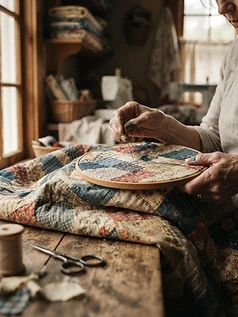
Quilting
Stitching time into legacy: the enduring craft of turning remnants into heirloom warmth.
Quilting evolved from 14th-century Mediterranean armor, known as a gambeson, into a vital household necessity in colonial America. What began as a technique to stabilize protective padding transformed into an iconic medium for storytelling, resourcefulness, and community connection.
Start Day 1
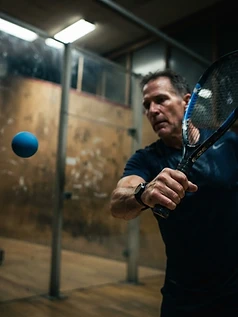
Racquetball
The art of the rebound: Master the high-speed geometry of the four-wall court.
In 1950, tennis pro Joe Sobek sought to soften the sting of handball at a Connecticut YMCA. By introducing a strung racket and a bouncy rubber ball to the squash court, he sparked a kinetic revolution that turned empty rooms into arenas of rapid-fire strategy.
Start Day 1
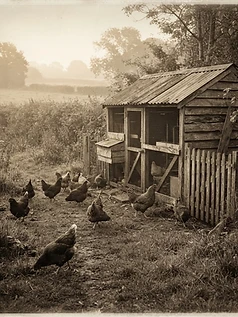
Raising Egg Laying Chickens
The oldest domestic partnership — turn a patch of yard into a daily harvest of warm, perfect eggs.
Chickens were domesticated from jungle fowl in Southeast Asia roughly eight thousand years ago — not for meat, but for the quiet miracle of a daily egg.
Start Day 1

RC Airplanes
Master the horizon with the elegant marriage of balsa wood, precision electronics, and the boundless sky.
Born from the rubber-band powered free-flight models of the 1930s, radio-controlled aviation evolved from simple single-channel experiments into a sophisticated marriage of physics and pilot intuition. Today, it remains a sanctuary for those who value patience, technical skill, and flight.
Start Day 1
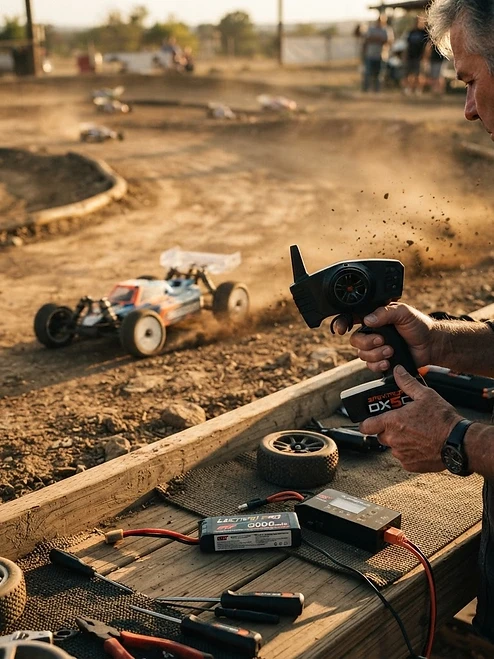
RC Cars
Master the throttle and master the machine: the precision of RC racing offers a second life on the track.
Born from the tethered, gas-powered speedsters of the 1930s, the modern radio-controlled car emerged in the 1960s. This transition from guided lines to wireless flight turned static hobbyist models into agile, high-performance racing machines.
Start Day 1
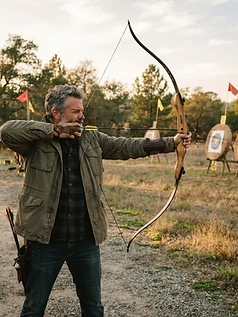
Recurve Archery
The Olympic discipline — a curved limb, a finger on the string, and a shot that has not changed in ten thousand years.
The recurve bow — so named because its tips curve away from the archer — stores more energy per inch of draw than a straight longbow, a design refined over millennia from the composite bows of Mongol horsemen to the carbon-fiber limbs of modern Olympians.
Start Day 1

Rifle
The art of putting one small hole next to another, at a distance most people cannot see.
From grooved barrels cut by Renaissance gunsmiths to the bolt-actions still carried today, the rifle is the oldest precision machine a hobbyist can master — and the one that demands the most stillness.
Start Day 1
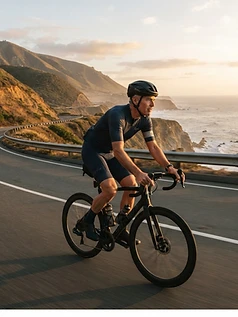
Road Biking
The sport that began with a walking machine — a road that goes for miles, a pedal stroke that is a rhythm, and a way to see the country at the speed of a human being.
From Karl Drais's 1817 wooden Draisine and JK Starley's 1885 Rover safety bicycle through Paris-Roubaix, the 1903 Tour de France, the derailleur, the carbon frame, and the electronic groupset, road biking is the sport that began with a walking machine and became the thing that taught the world to move.
Start Day 1

Rock Climbing
Vertical meditation: finding your second prime in the quiet grace of the high crags.
Rock climbing evolved from the daring 1492 ascent of Mont Aiguille into a disciplined art form. By the 1880s in the Elbsandsteingebirge, climbers began testing their limits on bare sandstone, laying the groundwork for the modern sport we know today.
Start Day 1

Sailing
Harness the ancient rhythm of the wind and command your own passage across the open water.
Sailing emerged around 3400 BCE when ancient Egyptians fitted reed boats with linen sails to navigate the Nile. It evolved from a necessity for trade into a global pursuit of exploration and, eventually, a sophisticated recreational art form.
Start Day 1
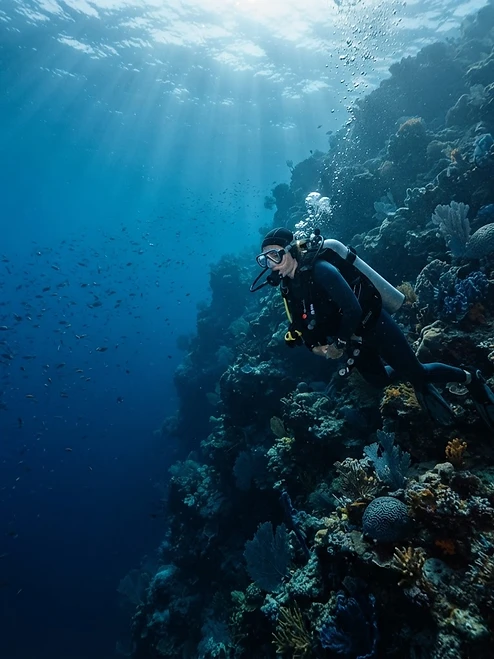
Scuba Diving
Beyond the surface: reclaiming your sense of wonder in the silent, weightless realm of the deep.
Born from the industrial necessity of 19th-century salvage, scuba diving evolved from Augustus Siebe's 1837 copper-helmet suit into a pursuit of exploration. Jacques Cousteau and Émile Gagnan later transformed this tethered labor into free-roaming adventure with the 1943 Aqua-Lung.
Start Day 1

Shotgun
The art of pointing a cloud of lead at a fast-moving sky.
From the smoothbore fowling pieces of 17th-century Europe to the sporting clays courses of today, the shotgun turned the sky into a game of timing and lead.
Start Day 1

Shuffleboard
Precision in motion: where the silent glide of the puck meets the quiet focus of the seasoned hand.
Born in the boisterous taverns of 16th-century England, shuffleboard evolved from simple coin-sliding games into a refined test of tactile control. It eventually migrated to the decks of ocean liners, bridging the gap between historical pastime and a sophisticated sport of endurance.
Start Day 1

Skateboarding
Four wheels, a plank, and the courage to fall — the most democratic flight ever invented.
Born from bored California surfers screwing metal wheels to fruit crates in the 1950s, skateboarding became the rebel art of every empty parking lot.
Start Day 1
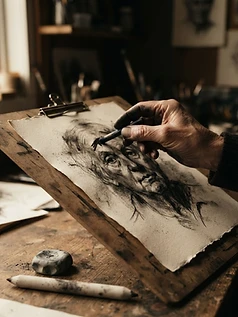
Sketching with Charcoal
The art of the burnt stick: transforming simple shadow into profound light through the ancient dance of charcoal.
Tracing its lineage to Paleolithic cave walls 30,000 years ago, charcoal remains the primal medium of human expression. From the flickering firelight of Chauvet to the rigorous training of Renaissance ateliers, it has evolved into the definitive tool for capturing form and spirit.
Start Day 1
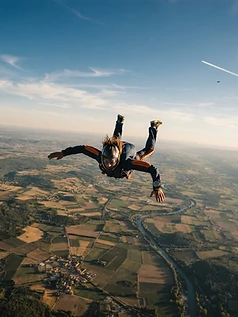
Skydiving
Exchange the weight of middle life for the weightless clarity of the troposphere.
Born from the daring 1797 balloon ascent of André-Jacques Garnerin, skydiving evolved from a showman's spectacle into a sophisticated discipline. It transformed through 20th-century military necessity into the precision-based aerial pursuit enjoyed by thousands today.
Start Day 1
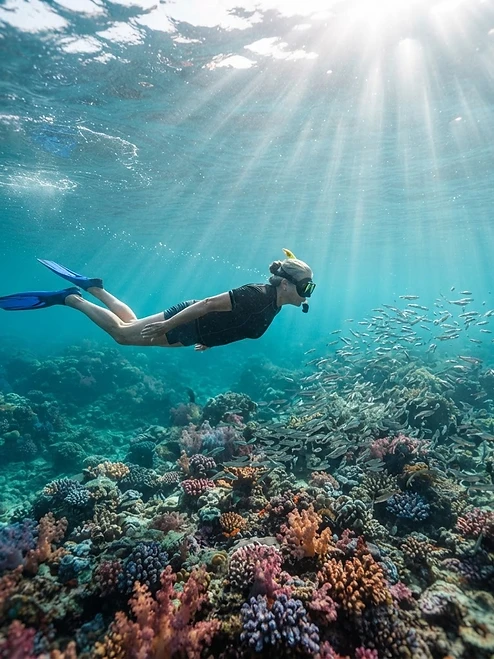
Snorkeling
Suspend the weight of the world at the surface, drifting in silent communion with the pulse of the tide.
Rooted in the 14th-century Persian Gulf, professional pearl divers pioneered underwater navigation using polished tortoiseshell goggles. This ancestral practice evolved through the 1860s introduction of rubber equipment, eventually blossoming into a modern recreational pursuit.
Start Day 1

Snow Skiing
The oldest way humans learned to move through winter — two planks, a mountain, and the long arc of a turn traced in the snow.
From the 8,000-year-old rock carvings at Rødøy and the birch-and-pine skis of Norse hunters through Sondre Norheim's 1860s telemark turn to Hannes Schneider's Arlberg technique and the postwar boom that put a chairlift in every valley, skiing is the oldest winter sport and the one that taught the world how to fall down a mountain on purpose.
Start Day 1
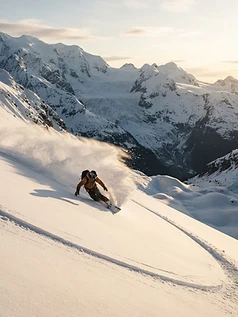
Snowboarding
The winter sport that arrived last and youngest — sideways on the snow, the surfer's stance brought to the mountain, and the counterculture that became an Olympic event.
From the Snurfer's 1965 backyard toy and Jake Burton's first bindings through the 1980s outlaw years on the hills to the 1998 Nagano Olympics and Shaun White's gold, snowboarding is the youngest winter sport and the one that taught the mountain to speak a new language.
Start Day 1

Solving an Escape Room
The clock is ticking, the room is locked, and the only way out is through each other.
The first live escape room opened in a Kyoto bar in 2007 — a video game mechanic made physical, turning puzzle-solving into a collaborative art form.
Start Day 1
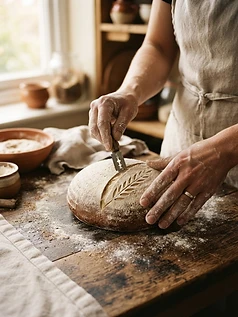
Sourdough Bread Baking
A wild yeast, a patient schedule, and a loaf that tastes of where you live.
Long before commercial yeast, every loaf was sourdough — risen by microbes captured from the air of the baker's own kitchen.
Start Day 1
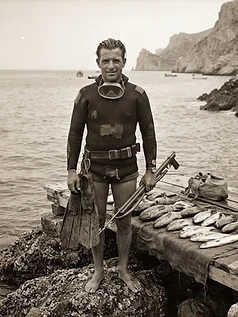
Spearfishing
The ancient art of breath-hold diving and selective underwater hunting, where sustainability, skill, and safety meet in the blue.
From Paleolithic cave paintings to modern carbon-fiber spearguns, spearfishing is humanity's oldest selective hunt — a breath-hold dive into the blue where you see your prey, choose it, and take only that one.
Start Day 1

Spelunking
Descending into the earth to find the stillness hidden beneath the surface of the world.
Spelunking evolved from prehistoric necessity in sites like the 17,000 BCE Lascaux Caves into a rigorous scientific pursuit. By the late 19th century, explorers like Édouard-Alfred Martel formalized the craft, transforming wild exploration into the systematic study of subterranean realms.
Start Day 1

Stand Up Paddleboarding
A standing view of the water — part paddle, part balance, part meditation — born on Hawaiian waves and now on every lake and bay.
Hawaiian surf instructors stood on their boards with outrigger paddles to watch their students — and discovered that standing on the water was as good as riding it. The sport that emerged, SUP, put the ocean within reach of anyone who could balance on a board.
Start Day 1

Stand-Up Comedy
The art of standing alone in front of strangers and making them laugh — one true thing at a time.
Stand-up comedy is the only art form where the audience is the instrument — a solo performer, a microphone, and a room full of people who came to laugh, armed with nothing but their own perspective and the willingness to fail in public.
Start Day 1

Stone Polishing
The oldest craft in the archive — a slow meditation that turns a rough slab of agate or jasper into a piece of deep time you can hold in your hand.
From the 70,000-year-old ochre plaques of Blombos Cave and the Egyptian bow drill to the Roman cameo, the Idar-Oberstein agate cutters, and the 1930s diamond slab saw, stone polishing is the oldest craft in the archive and the one that turns deep time into something you can hold.
Start Day 1
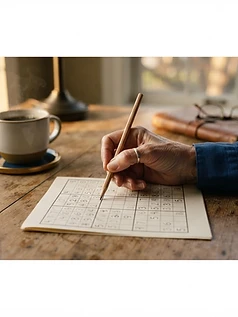
Sudoku
The quiet symphony of the grid: nine digits, infinite paths, and the elegant architecture of pure logic.
Born from Howard Garns’ 1979 'Number Place' puzzle, this logic challenge found its iconic name and cult following in 1984 via the Japanese publisher Nikoli. It transformed from a niche magazine curiosity into a global phenomenon that sharpens the mind through structural constraints.
Start Day 1
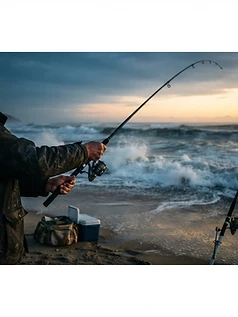
Surf Fishing
Master the rhythm of the rising tide: where the silent patience of the shoreline meets the surge of the deep.
Rooted in the coastal net fisheries of 2000 BCE, surf fishing evolved from essential subsistence into a sophisticated art form. By the 1880s, Hawaiian throw-net techniques refined the craft, later fueling the 1950s surf-casting revolution that redefined modern angling for the shore.
Start Day 1
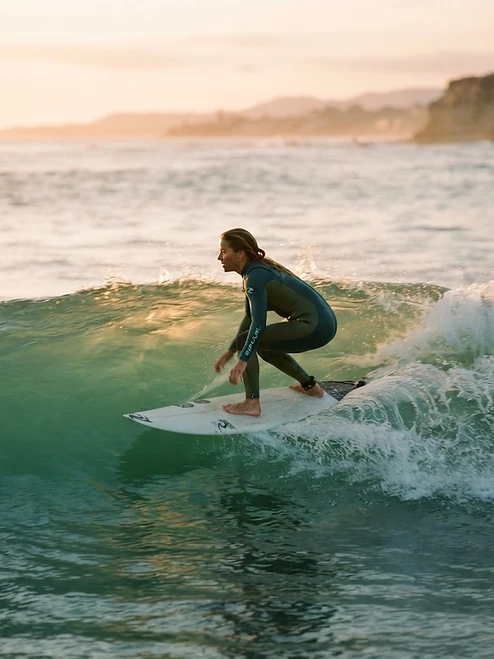
Surfing
The oldest negotiation between a human and moving water: a borrowed partnership with a wave that is gone before you can name it.
Rooted in the ancient Polynesian art of he'e nalu — wave sliding — and cultivated for centuries by Hawaiian royalty, surfing is humanity's oldest interaction with moving water as sport. Revived for the modern world at Waikiki in the early 1900s, it remains less a game than a negotiation with a living, moving field.
Start Day 1
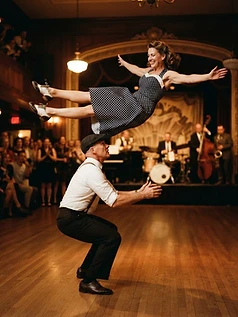
Swing Dancing
Find your rhythm in the Savoy’s shadow: where jazz meets movement in a timeless, energetic embrace.
Born in the pulsing heart of 1927 Harlem, the Lindy Hop emerged from the legendary Savoy Ballroom. It synthesized African rhythmic traditions with European partner dance, creating an exuberant, athletic style that mirrors the improvisational soul of jazz.
Start Day 1

Tai Chi
A moving meditation where breath follows body and body follows breath — the slow martial art that turns stillness into strength and a century of practice into a single continuous gesture.
Born in a Henan village from a general's distillation of battlefield technique and Taoist breath, tai chi is a moving meditation — a slow martial art where every posture flows into the next and the body learns to follow the mind.
Start Day 1

Tenkara Fishing
The fly rod with no reel — a Japanese mountain-stream tradition that strips angling to its essence: a rod, a line, and a fish.
Japanese mountain fishermen fished with a long rod, a fixed line, and a single fly for centuries before anyone gave it a name — and when the name came, it was tenkara, meaning 'from heaven,' because the fly seemed to drop from the sky.
Start Day 1

Tennis
Precision on the baseline: rediscover the rhythm, the grace, and the enduring challenge of the court.
Born from the medieval 'jeu de paume' and formalized by Major Walter Clopton Wingfield in 1873, lawn tennis evolved from an English garden pastime into a global phenomenon. It remains a rare sport that balances the intensity of youth with the strategic nuance of a seasoned mind.
Start Day 1
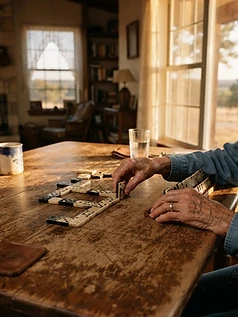
Texas 42
The state domino game of Texas — a trick-taking game played with tiles instead of cards, invented by two boys at a swimming hole and carried across the state for a hundred and thirty years.
Invented in 1887 by two 12-year-old boys, William Thomas and Walter Trapp, at Trappe Spring (now Garner State Park) in the Texas Hill Country, Texas 42 is a trick-taking domino game that treats the tiles like cards and bids like a hand of spades — the national game of Texas, played at every feed store, fire station, and family reunion from Amarillo to Brownsville.
Start Day 1

Texas Hold'em
The Cadillac of poker — two hole cards, five community cards, and a hundred years of bluffing from the Texas roadhouses to the World Series of Poker main event.
Born in the Texas town of Robstown in the early 1900s and carried up the road by traveling card sharps, Texas Hold'em is the poker variant that conquered the world — two private cards and five shared ones, four rounds of betting, and the simplest, deepest decision in all of card play: fold, call, or raise.
Start Day 1

Thrifting
The art of the curated find: Transforming forgotten textiles and objects into a storied collection.
Born from 19th-century social outreach, thrifting evolved from Salvation Army salvage programs in 1897 into a global cultural phenomenon. It transitioned from a necessity for the impoverished into an intentional practice of discovery and sustainability.
Start Day 1

Throw a World-Class Tailgate
The art of the parking-lot feast — where game day meets grate-to-plate mastery.
Born from the back of horse-drawn wagons at Civil War encampments, tailgating became an American ritual at college football games in the late 1800s — fans arriving early to cook, gather, and build community before kickoff.
Start Day 1

Tie Dye
The resist that became a revolution — fold, bind, dye, and the surprise of color that no two hands ever make the same way twice.
From the bandhani of ancient India and the shibori of Japan through the hippie counterculture of the 1960s to the modern maker, tie dye is the oldest resist technique and the one that turned a craft of pattern into a symbol of freedom.
Start Day 1
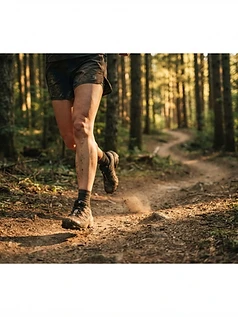
Trail Running
Find your rhythm on uneven ground, where every footfall connects you to the ancient endurance of the mountain.
Trail running traces its lineage to the legendary endurance of the Tarahumara (Rarámuri) people of Mexico. It evolved into a formal global discipline following landmark events like the 1974 inaugural trail race and the establishment of the grueling Western States 100 in 1977.
Start Day 1

Train a Dog
Forge a language of silence and gestures with your most loyal companion.
Born in the flickering light of Paleolithic campfires, the partnership between human and wolf shifted from survival to synergy. Over ten millennia, this alliance evolved from hunting cooperation into the sophisticated behavioral science we practice today.
Start Day 1

Travel Planning
Architects of the odyssey: Curating the passage from idle dreaming to the sovereign journey.
Born from the aristocratic Grand Tour of the 17th century, travel planning evolved from an essential education for the elite into a disciplined art of exploration. By the 19th century, guidebook innovators and pioneers like Thomas Cook democratized the map, transforming wanderlust into a structured, personal legacy.
Start Day 1

Ukulele
Four strings, a small voice, and a big heart — the most approachable instrument in the world, where three chords and ten minutes give you a song.
From the 1880s Portuguese immigrants who brought the machete braguinha to Hawaii, through the 1920s mainland craze and the 2010s YouTube revival, the ukulele turned a small island instrument into a global symbol of joy.
Start Day 1

Ultralight Backpacking
Carry less, walk farther, sleep lighter — the philosophy that turned backpacking from an endurance test into a freedom.
Ray Jardine — the climber who invented the first camming device — walked the Pacific Crest Trail in 1994 with a base pack weight of 8.5 pounds and wrote a book that asked the question every backpacker since has wrestled with: what do you actually need?
Start Day 1

Understanding Cryptocurrency, Blockchain and Tokenization
From the Bitcoin whitepaper to tokenized everything — a guided passage through digital trust.
In October 2008, an anonymous figure named Satoshi Nakamoto published a nine-page whitepaper proposing a peer-to-peer electronic cash system secured by cryptographic proof rather than trusted institutions. The Bitcoin network went live three months later. What began as a niche cryptographic experiment has grown into a global infrastructure for digital value, programmable money, and tokenized ownership.
Start Day 1

Volunteer in Your Community
The art of showing up — where borrowed hands build belonging.
Mutual aid is humanity's oldest technology. Before currency, before institutions, before written language, our survival depended on showing up for each other.
Start Day 1
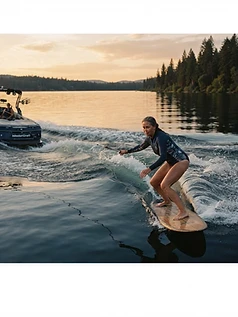
Wake Surfing
Master the art of the endless wave: a rhythmic dance between wooden boards, deep water, and the hum of the engine.
Born in the 1960s from experimental rope-riding behind wooden inboards, wake surfing evolved through 1990s ballast innovations. It transformed from a simple water-skiing alternative into a refined, meditative practice of endless wave-riding.
Start Day 1
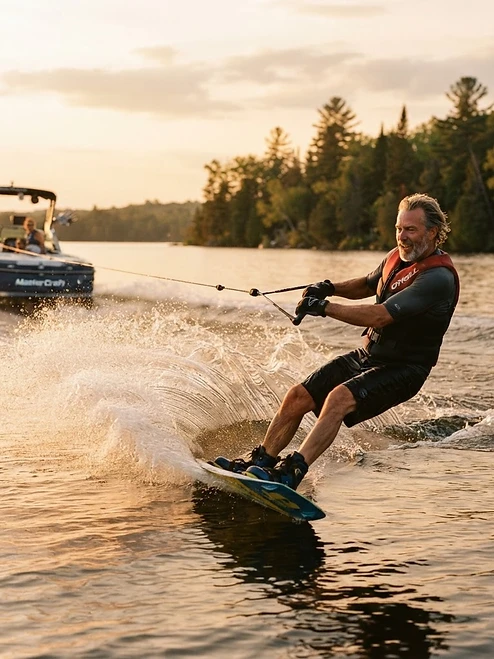
Wakeboarding
The youngest sport in the archive — a summer, a lake, a boat, and the willingness to fall in front of the people you love.
From Ralph Samuelson's 1922 water skis on Lake Pepin and Sherman Poppen's 1965 Snurfer to Tony Finn's 1982 Skurfer and the 1997 wakeboard boat, wakeboarding is the youngest sport in the archive and the child of surfing, skiing, and snowboarding.
Start Day 1
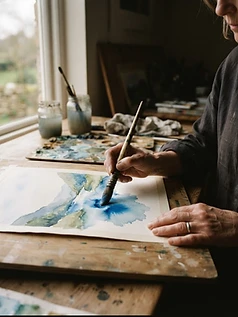
Watercolor Painting
The medium that cannot be controlled, only partnered — pigment, water, and paper, and the slow art of letting the paint do what it wants.
From the cave painters and the illuminated manuscripts through Albrecht Dürer and the English school of Turner and Constable to the California watercolorists, watercolor is the oldest paint and the one that taught the artist to work with chance.
Start Day 1
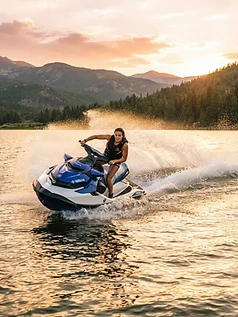
Waverunner & Jetski
The motorcycle of the sea — back it down a ramp, climb on, and feel the pump grab clean water for the first time.
The personal watercraft is the motorcycle of the sea — a craft powered by a jet pump that delivers speed, agility, and accessibility no other water vehicle can match. You do not need a trailer, a slip, or a crew. You back it down a ramp, climb on, and go.
Start Day 1

Weightlifting
The oldest argument against aging — pick up something heavy, put it down, and do it again — and the science that proved strength is the one thing you can rebuild at any age.
From the Greek stone lifters and the Victorian strongmen through Eugene Sandow, Bob Hoffman, and the barbell that built the modern gym to the science of progressive overload, weightlifting is the discipline that taught the body to grow stronger on purpose.
Start Day 1
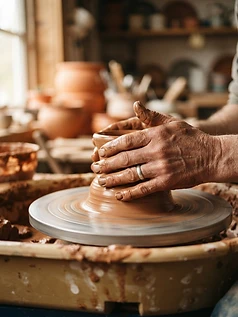
Wheel Thrown Pottery
Centering clay, and in doing so, centering yourself.
Born of the Neolithic need to store grain, the wheel turned first in Mesopotamia around 3500 BCE — the same revolution that gave us writing gave us the vessel.
Start Day 1

Whiskey Tasting
Unlock the liquid history within your glass, where patience meets the profound complexity of the grain.
The documented history of whisky begins in 1494 with Friar John Cor, who received a royal commission to produce aqua vitae. From these monastic beginnings in Scotland to the standardized production sparked by the 1823 Excise Act, whiskey tasting evolved into a global, artisanal pursuit.
Start Day 1
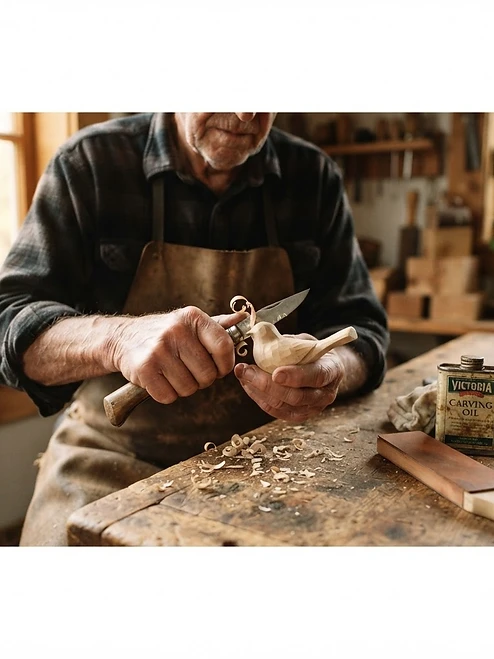
Whittling
A knife, a stick, a curl of wood — the quietest craft there is, where the blade is steady and the mind is steadier.
From the front-porch whittler of the 1900s and the carved wooden chain to the 1920s Boy Scout manual that taught a generation of boys to carve, whittling is the craft that turned a pocketknife and a stick into a lifelong study of wood and patience.
Start Day 1

Wine Tasting
Unlock the liquid history of the earth, one swirl, one nose, and one lingering finish at a time.
Wine tasting traces its roots to 6000 BCE, when Neolithic Georgians fermented grapes in subterranean clay qvevri. This ancient ritual evolved from a survival necessity into an analytical art, bridging the gap between primitive sustenance and the refined connoisseurship we enjoy today.
Start Day 1

Wingsuit Flying
Master the art of the human glide, transforming a vertical descent into a graceful dance with the wind.
The discipline traces its roots to early 20th-century aviation pioneers like Franz Reichelt. After decades of experimental bat-wing designs, the sport matured in 1994 through the innovations of Patrick de Gayardon, turning chaotic falls into controlled, aerodynamic flight.
Start Day 1
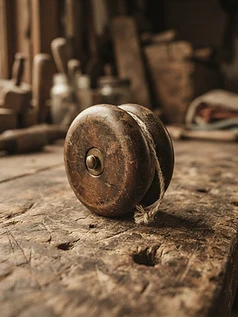
Yo-Yo
The world's oldest skill toy, and the most pocketable path to flow.
The yo-yo appears on ancient Greek vases from 500 BCE — boys offered them to the gods as a rite of passage. The word itself comes from the Philippines: 'come back.'
Start Day 1

Yoga
Unfold the architecture of your spirit: A timeless practice for the modern body.
Born in the fertile Indus Valley over 5,000 years ago, yoga evolved from prehistoric meditative seals into a global discipline. It serves as an ancient bridge between physical resilience and mental clarity, transcending millennia to reach your living room today.
Start Day 1
