
Boating
Master the horizon and reclaim your rhythm: The timeless art of navigating the open water.
But first, a little context and history...
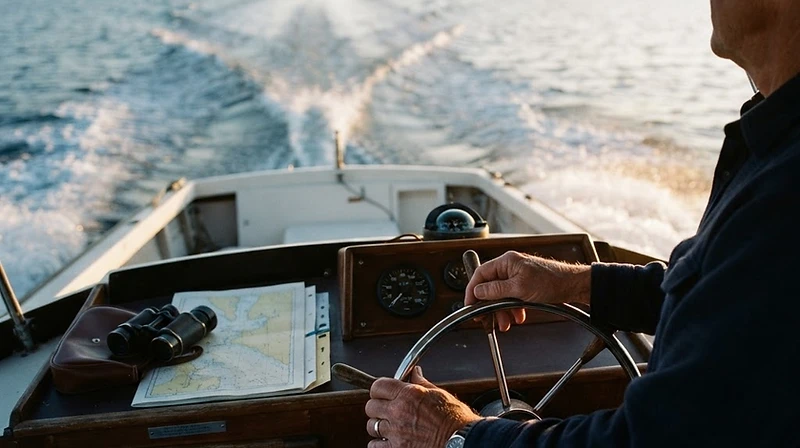
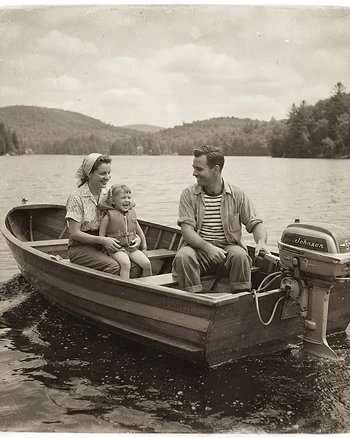
Boating serves as a bridge between our primal need for discovery and the modern craving for solitude. At its core, it is the deliberate act of navigating the water, whether under sail, oar, or engine. For the Gen X empty nester, this hobby offers a unique transition from the chaotic demands of career and family to a life defined by personal inquiry and physical engagement with the natural world. It requires nothing more than a vessel, a body of water, and the willingness to learn the language of wind and tide. By mastering the helm and interpreting the wake, you shift your perspective from that of a passenger in your own life to an active navigator. The history of boating begins with the Mesopotamians, who crafted reed boats to traverse the Euphrates and Tigris rivers as early as 4000 BCE. These early mariners understood that the water was not a barrier but a highway. Over millennia, civilizations refined these crude structures into sophisticated hulls, eventually leading to the caravels of the 15th-century Age of Exploration. This era marked a transition where navigation transitioned from river-hugging to oceanic traversal, utilizing the compass and the early nautical chart. These tools remain the spiritual ancestors of today’s GPS and sonar systems, connecting every modern boater to the voyagers of history. The 20th century transformed boating from a maritime necessity into a democratic leisure activity. The pivotal moment arrived in 1903 when Ole Evinrude’s development of the commercial outboard motor liberated the average person from the limitations of sail and oar. Suddenly, the internal combustion engine allowed individuals to explore hidden coves, shallow estuaries, and expansive lakes with ease. This accessibility ignited a passion for recreational boating that persists today. From the classic mahogany runabouts of the mid-century to modern composite cruisers, the technology has evolved, but the fundamental thrill of the open water remains unchanged. For those currently navigating the empty nest, boating provides a sanctuary that is both demanding and meditative. It forces you to be present. You cannot worry about the laundry or the office when you are reading the wind or monitoring the engine gauges. The equipment today ranges from simple paddleboards and kayaks to complex powerboats and sailboats, making the barrier to entry remarkably flexible. You might start by renting a skiff for an afternoon or taking a basic power squadron course at your local yacht club. Once you grasp the basics of knots, channel markers, and safety protocols, the water opens up as a canvas for your own adventure. Boating demands respect for nature, rewarding the patient with moments of profound stillness. It is a hobby that does not care about your past titles or professional milestones. The channel you navigate this weekend is entirely your own, offering a clean slate and a wide horizon. As you develop your skills, you will find that the rhythm of the water mirrors the rhythm of your new chapter—steady, purposeful, and entirely under your own command.
“A boat is not merely a vessel of wood or fiberglass; it is a portable island of silence in a world that never stops talking.”
What to gather
A graded list of gear — from the first honest kit to the tools of a life in the craft. The Novice kit is free; the deeper tiers open with membership.
Novice
The first kit — enough to begin honestly.
Expert
The equipment of a life in the craft.
Coming soon
From novice to proficient
A thirty-day passage. Each node is a day. The terracotta fill marks the ground you have already covered.
Understand the craft: the helm, the wake, the chart, the radio. Tour the boat and the marina. Today is orientation; the voyage begins tomorrow.
YouTubeThe Craft and the Water
Bobby GReflect on the layout of your local marina and identify the key safety equipment you observed during your tour. How does understanding the boat's layout contribute to your overall confidence?
Saved locally to your device


How the cohort practices today
The pulse is quiet — for now.
Be the first to document your Boating journey with #EmptyNexxter.