
Canning
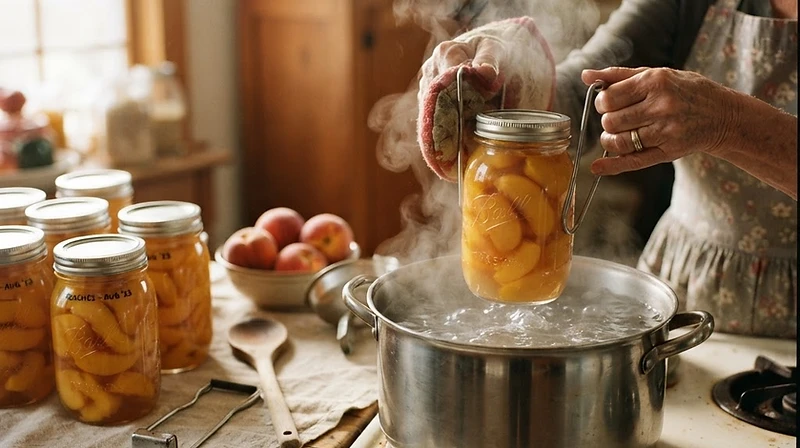
The art of the harvest captured: preserving the seasons within the clarity of glass.
But first, a little context and history...
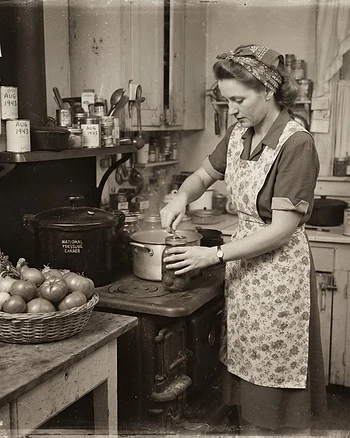
Canning is the elegant intersection of chemistry, agriculture, and patience. At its core, the process involves sealing food in containers and heating them to a temperature that destroys microorganisms and inactivates enzymes. This creates a vacuum seal that prevents recontamination, allowing produce to be stored safely at room temperature for years. For the Gen X empty nester, this hobby offers a grounding rhythm, transforming an overflowing garden or a farmers' market haul into a permanent, jewel-toned collection of ingredients that reflect the passing of the year. The historical journey of this craft began in 1795 when French confectioner Nicolas Appert won a prize offered by Napoleon Bonaparte. Seeking a way to stabilize food for long military campaigns, Appert successfully preserved everything from soups to fruits by sealing them in glass jars and heating them in boiling water. He called this process 'appertization,' proving that the exclusion of air combined with high heat was the secret to longevity. While he did not fully understand the bacteriology at play—Louis Pasteur would solve that mystery decades later—his empirical success changed the culinary world forever. The evolution of the home jar took a significant leap in 1858 when tinsmith John Landis Mason patented his threaded glass jar. Before this, sealing jars involved messy waxes and corks that frequently failed. Mason’s design introduced a standardized screw-top lid, which allowed for a reliable, airtight seal that any household could achieve. This invention democratized food preservation, turning it from an industrial experiment into a staple of domestic life. By the late 19th century, canning had become a household necessity, providing families with nutritional security through the harsh winter months. The practice reached a cultural zenith during the 1940s as part of the 'Victory Garden' movement. As wartime rations tightened, millions of Americans took to their kitchens to process their own harvests, turning basement shelves into vital pantries. This era solidified the iconography of the canning jar in the American consciousness, linking it to themes of independence and thrift. Today, the craft has experienced a vibrant resurgence, fueled by a desire for clean, transparent food sources and the meditative satisfaction of working with one’s hands. Essential equipment remains refreshingly simple: high-quality glass jars, sturdy lids and bands, a large water-bath canner or pressure canner, and a few reliable tools like jar lifters and funnels. Because it requires focus, steady attention to timing, and a methodical approach, canning acts as a form of culinary mindfulness. For those entering the empty nest phase, it offers a way to curate a pantry that serves as a testament to personal effort. It is not merely about storage; it is about reclaiming autonomy over the kitchen, celebrating the flavor of a harvest at its peak, and maintaining a bridge between the seasons.
“Canning is a quiet pact with the seasons—a way to hold the peak of summer long after the first frost has settled.”
What to gather
A graded list of gear — from the first honest kit to the tools of a life in the craft. The Novice kit is free; the deeper tiers open with membership.
Novice
The first kit — enough to begin honestly.
From novice to proficient
A thirty-day passage. Each node is a day. The terracotta fill marks the ground you have already covered.
Understand the craft: the jar, the seal, the shelf, the kettle. Tour the gear and the kitchen. Today is orientation; the preserve begins tomorrow.
YouTubeThe Craft and the Shelf
Toni ReneeReflect on your kitchen space and the equipment you currently have. What is one piece of gear you feel most confident about, and which one feels most intimidating?
Saved locally to your device


How the cohort practices today
The pulse is quiet — for now.
Be the first to document your Canning journey with #EmptyNexxter.