
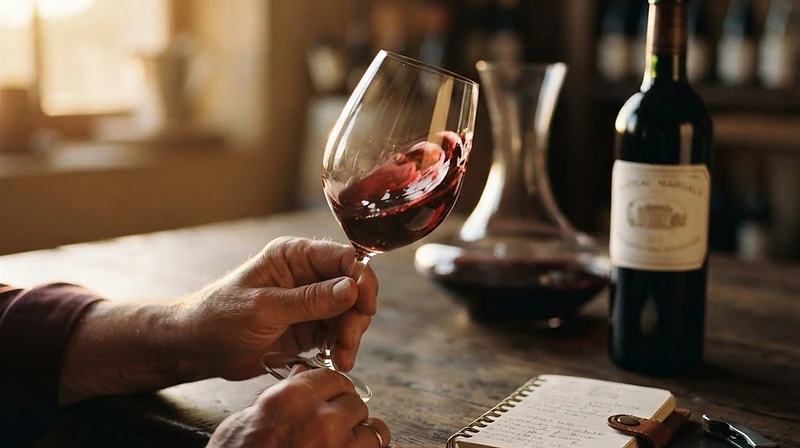
Wine Tasting
Unlock the liquid history of the earth, one swirl, one nose, and one lingering finish at a time.
But first, a little context and history...
Wine tasting is an exercise in intentionality. It is the practice of engaging the senses to decode a liquid narrative composed of terroir, climate, and human ingenuity. While modern enthusiasts often view a glass through the lens of casual enjoyment, the act itself is a sophisticated sensory dialogue. By isolating color, aroma, and mouthfeel, the taster honors the centuries of labor required to transform simple vitis vinifera into a complex expression of a specific landscape. For the Gen X empty nester, this hobby offers a perfect intersection of lifelong learning and sensory indulgence. As the pace of life shifts, the methodical patience required to properly nose and palate a vintage becomes a meditative act, turning an evening pour into a deep exploration of history and chemistry.
Evidence of human dedication to wine dates back to approximately 6000 BCE in the South Caucasus region of present-day Georgia. Here, early vintners buried large, egg-shaped clay vessels known as qvevri in the cool earth, using them to ferment and store grape must. This method remained largely unchanged for millennia, setting the standard for how wine interacted with natural elements. These ancient artisans were the first to recognize the subtle differences between vessels and grape varieties, essentially acting as the world’s inaugural wine critics. Their reliance on clay, natural yeasts, and long-term aging established the foundational techniques that modern winemakers still revere as the bedrock of natural viticulture.
By the mid-19th century, wine appreciation shifted from local consumption to a formalized global industry, anchored by the 1855 Bordeaux Classification. Commissioned by Emperor Napoleon III, this rigorous ranking system categorized the best châteaux in the Gironde region. This milestone effectively established a luxury language for wine, creating a framework for quality that remains influential today. It moved wine from the realm of mere beverage into the domain of investable art and historical record, encouraging consumers to study producers and specific vineyard sites rather than just generic table wines. This era solidified the role of the connoisseur, who viewed the bottle not merely as sustenance, but as a prestigious product of defined geography.
As the 20th century progressed, the center of gravity in the wine world widened. A pivotal moment occurred during the 1976 Judgment of Paris, a blind tasting organized by British merchant Steven Spurrier. Unexpectedly, California wines surpassed their French counterparts, shattering the myth that excellence was strictly a European privilege. This event democratized the craft, inviting a new generation of drinkers to trust their own palates over established pedigrees. It signaled the birth of a globalized approach to tasting, where the spirit of exploration and skepticism became the hallmark of the modern enthusiast.
Practicing this craft today requires little more than curiosity and a few modest tools. Essential equipment includes a set of thin-rimmed crystal glasses, a consistent light source for observing color, and a simple notebook for logging observations. The ritual itself follows a standard sequence: observe the clarity and hue, swirl to aerate and release esters, inhale to identify primary and secondary aromas, and finally, evaluate the structure and finish on the palate. These steps create a sensory memory that allows the taster to build an internal database of regions and styles, fostering a deep appreciation for why a cool-climate Pinot Noir differs from one grown in the heat of a valley floor.
For those entering the empty nest phase, wine tasting provides a uniquely tactile way to engage with the world without leaving home. It invites travel through the glass, allowing the enthusiast to visit the volcanic soils of Mount Etna or the high-altitude terraces of the Andes from their own dining room. The hobby requires sustained focus and intellectual engagement, qualities that transition seamlessly from a professional career to a rewarding personal pastime. It is a pursuit that matures along with the collector, rewarding patience and curiosity with a lifetime of discoveries.
“Wine is a map of geography, geology, and time, poured directly into your glass.”
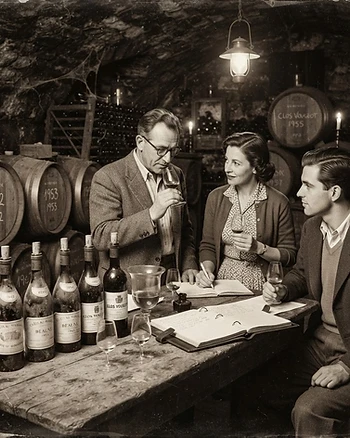
What to gather
A graded list of gear — from the first honest kit to the tools of a life in the craft. The Novice kit is free; the deeper tiers open with membership.
Novice
The first kit — enough to begin honestly.
From novice to proficient
A thirty-day passage. Each node is a day. The terracotta fill marks the ground you have already covered.
Understand the craft: the glass, the swirl, the nose, the finish. Tour the pour and the glass. Today is orientation; the tasting begins tomorrow.
YouTubeThe Craft and the Pour
Let's Celebrate TVReflect on your initial expectations of wine tasting; what specific aspect of the craft are you most excited to master over the next month?
Saved locally to your device


How the cohort practices today
The pulse is quiet — for now.
Be the first to document your Wine Tasting journey with #EmptyNexxter.