
Surfing
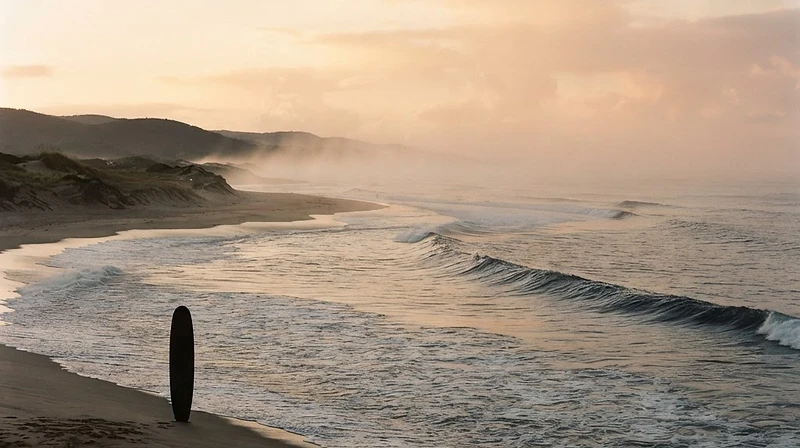
The oldest negotiation between a human and moving water: a borrowed partnership with a wave that is gone before you can name it.
But first, a little context and history...
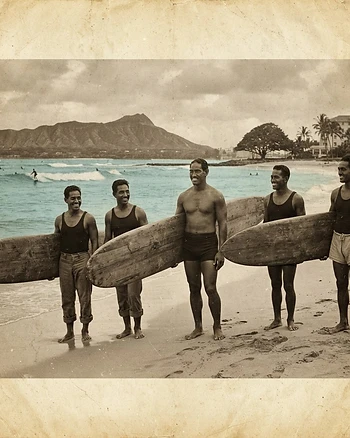
Surfing is the oldest sport still practiced for the same reason it began: the simple, consuming act of riding the ocean's energy for the few seconds it offers. Long before it was a pastime, it was a cultural pillar of Polynesian life — he'e nalu, the art of wave sliding, practiced by Hawaiian royalty and commoners alike, governed by ritual and rank. The chiefs rode the best waves on the longest boards; the craft of shaping was sacred.
What sets surfing apart from nearly every other sport is that its playing field is alive. A wave is not a court or a green; it is a moving, unrepeatable event, born of wind and swell and the geometry of the sea floor, and it dissolves the moment it is spent. The surfer's first discipline is not balance but observation — reading the swell, choosing the peak, understanding which waves hold a ride and which will close out in foam. Most of surfing, paradoxically, is spent waiting. The ride itself is a small fraction of the hours in the water.
For the empty nester, surfing offers a rare kind of patience practice wrapped in physical reward. The barrier to entry is real — the ocean does not flatter — but the beginner's first clean ride, even on whitewater, is one of the most quietly thrilling sensations in any sport. The body learns to read moving water; the mind, for the span of a wave, holds nothing else. It is also one of the few sports that improves with a slower, older body: the best surfers are not the most powerful but the most efficient, the ones who find the wave's energy and waste none of their own.
To take up surfing is to accept that the ocean sets the schedule, that progress is measured in seasons rather than sessions, and that the reward is not mastery over the sea but a brief, borrowed partnership with it.
“You do not conquer a wave; you borrow it. The whole sport is learning the difference.”
What to gather
A graded list of gear — from the first honest kit to the tools of a life in the craft. The Novice kit is free; the deeper tiers open with membership.
Novice
The first kit — enough to begin honestly.
From novice to proficient
A thirty-day passage. Each node is a day. The terracotta fill marks the ground you have already covered.
Understanding the history of he'e nalu and essential ocean safety protocols before entering the water.
YouTubeIntroduction to Surf Culture and Safety
Kale Brock (Kale Brock)What does the 'negotiation with moving water' mean to you personally?
Saved locally to your device


How the cohort practices today
The pulse is quiet — for now.
Be the first to document your Surfing journey with #EmptyNexxter.