

Distance Running — 5K to 100 Miles
Beyond the threshold: Mastering the rhythm of the road from the suburban 5K to the ultramarathon horizon.
But first, a little context and history...
Distance running represents the most fundamental expression of human physiology. We are evolutionarily designed as persistence predators, capable of regulating internal temperature through sweat and utilizing specialized tendons to cover vast terrain. Unlike other mammals, we possess a unique biomechanical efficiency—upright posture, specialized gluteal muscles, and energy-storing arches—that allows us to maintain a steady, aerobic pace for hours. For the Gen X empty nester, this is not merely a sport but a homecoming to the body’s original purpose. It provides a rare opportunity to reclaim physical agency in a chapter of life defined by newfound time and shifting responsibilities.
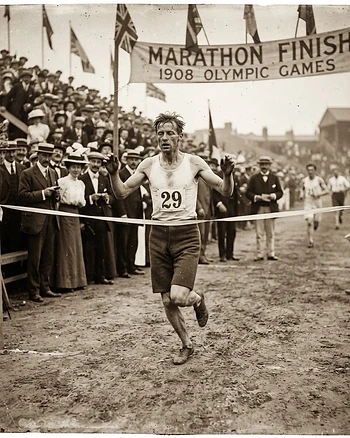
The historical arc of the activity begins in 490 BCE with the legend of Pheidippides, who reportedly sprinted from the battlefield of Marathon to Athens to announce victory before collapsing. This singular feat of endurance eventually inspired the modern Olympic marathon. Parallel to this competitive narrative is the indigenous tradition of the Tarahumara people of Mexico’s Copper Canyons. Their practice of 'rarajipari,' or kick-ball racing, involves covering hundreds of miles over rugged terrain. These two streams—the urgent, goal-oriented race and the joyful, utilitarian movement—define the dual nature of the modern runner.
Throughout the 20th century, running evolved from an elite Olympic pursuit into a lifestyle movement. Figures like Bill Bowerman, the legendary University of Oregon track coach, sparked the 'running boom' of the 1970s by emphasizing the accessibility of the sport. His partnership with Phil Knight to create lighter, more ergonomic footwear transformed running from an intimidating athletic discipline into a daily habit for millions of ordinary people. This era signaled a shift where endurance was no longer reserved for specialists but was embraced as a tool for mental clarity and longevity.
Today, the spectrum of distance running is remarkably broad. A novice might begin by training for a local 5K, a distance that rewards consistency rather than raw speed. Intermediate athletes often migrate toward the half-marathon or marathon, testing their capacity to manage pacing and fueling over several hours. At the extreme end lies the ultrarunning community, where athletes tackle distances beyond 26.2 miles, often traversing mountains and deserts in 50-mile or 100-mile efforts. These events prioritize mental fortitude and nutrition strategy over pure aerobic output, making them uniquely suited to the patience and wisdom that often arrive with middle age.
Getting started requires minimal investment, which is a primary draw for the modern enthusiast. A quality pair of running shoes, matched to your specific gait, serves as the only essential equipment. Incorporating moisture-wicking apparel and perhaps a basic heart-rate monitor can enhance comfort, but the core requirement remains the same as it was in antiquity: a willingness to step outside and begin. Modern digital tools, such as GPS watches and community platforms like Strava, allow runners to track progress and connect with peers, turning a solitary pursuit into a shared social experience.
For those entering their Second Prime, running offers profound neurological benefits alongside physical conditioning. It serves as a moving meditation, allowing the mind to quiet during the repetitive rhythm of the stride. The sport demands little of your social status or professional title; it only asks for your presence and a steady heart rate. Whether you are navigating neighborhood pavement or rocky forest trails, the experience remains grounded in the same biological reality that allowed our ancestors to traverse continents.
Ultimately, distance running is an exercise in self-knowledge. It forces you to confront the distinction between genuine fatigue and the internal voice of doubt. As you move through the miles, you learn to negotiate with your own limitations, pushing just far enough to grow without courting injury. For the empty nester, this journey represents a deliberate reclaiming of time and space, proving that endurance is a quality of spirit that only deepens as the years accumulate.
“The road does not recognize your age; it only responds to the consistency of your stride and the quiet persistence of your will.”
What to gather
A graded list of gear — from the first honest kit to the tools of a life in the craft. The Novice kit is free; the deeper tiers open with membership.
Novice
The first kit — enough to begin honestly.
From novice to proficient
A thirty-day passage. Each node is a day. The terracotta fill marks the ground you have already covered.
Understand the six distances: 5K, 10K, half, marathon, 50-mile, 100-mile. Tour the shoes, the watch, the route. Today is orientation; the run begins tomorrow.
YouTubeThe Sport and the Six Distances
The Running ChannelReflect on which of the six distances feels most intimidating to you right now and why. What is one piece of gear you are most excited to use as you begin this journey?
Saved locally to your device


How the cohort practices today
The pulse is quiet — for now.
Be the first to document your Distance Running — 5K to 100 Miles journey with #EmptyNexxter.