
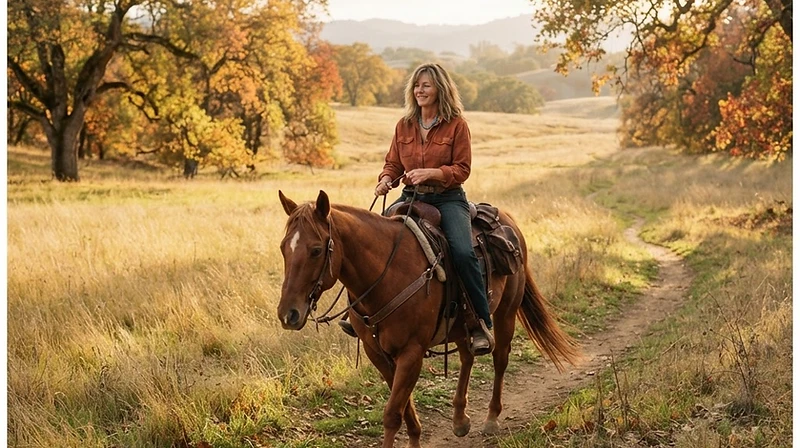
Horseback Riding
A conversation with a thousand-pound animal that does not share your language, your instincts, or your sense of time.
But first, a little context and history...
Horseback riding begins on the steppes of Central Asia. Around 3500 BCE, the Botai culture of what is now northern Kazakhstan made the horse the first animal domesticated for transport rather than food — a turning point as consequential as the wheel. Before the saddle, before the stirrup, a human climbed onto a horse's bare back and held on.
The earliest saddles were padded cloths; the framed saddle came later, and the stirrup — the single most important invention in the history of riding — came later still. The paired metal stirrup appears in China around the 4th century CE and spread west with the horsemen of the steppe. It gave a rider a platform to stand in, anchoring the seat and making possible the cavalry charge, the lance strike, and the long-distance ride. The Avars, the Mongols, and the Magyars built empires from the stirrup up.
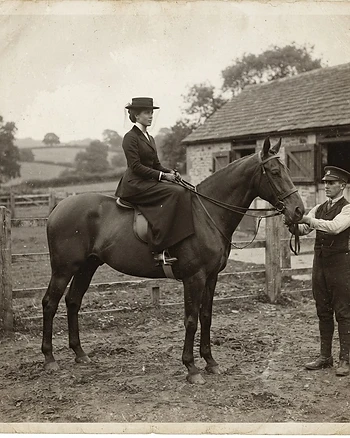
Riding split into traditions. The English school — the dressage inherited from the European cavalry schools of the 16th and 17th centuries — refined the rider's seat into a grammar of aids: leg, hand, seat, voice. The Western school — born on the cattle ranges of New Spain and the American West — grew from working needs: a deeper saddle, a neck rein, a horse trained to think for itself while a rider's hands were busy with a rope. Both descend from the same medieval war saddle, but they answer different questions.
The modern sport of riding took shape in the 20th century. Olympic equestrianism has three disciplines — dressage, show jumping, and eventing — and is the only Olympic sport in which men and women compete as equals. For the empty nester, riding is a rare partnership: a conversation with a thousand-pound animal that does not share your language, your instincts, or your sense of time. The horse is always honest. The rider is the one who has to learn.
“The horse is always honest. It is the rider who must learn to speak.”
What to gather
A graded list of gear — from the first honest kit to the tools of a life in the craft. The Novice kit is free; the deeper tiers open with membership.
Novice
The first kit — enough to begin honestly.
Expert
The equipment of a life in the craft.
Coming soon
From novice to proficient
A thirty-day passage. Each node is a day. The terracotta fill marks the ground you have already covered.
The horse's senses, herd instinct, flight response, and body language — the mind you are about to partner with.
YouTubeUnderstanding the Horse
Equine HelperReflect on how understanding a horse's flight response changes your approach to interacting with them. What specific body language cues will you look for next time you are near a horse?
Saved locally to your device


How the cohort practices today
The pulse is quiet — for now.
Be the first to document your Horseback Riding journey with #EmptyNexxter.