
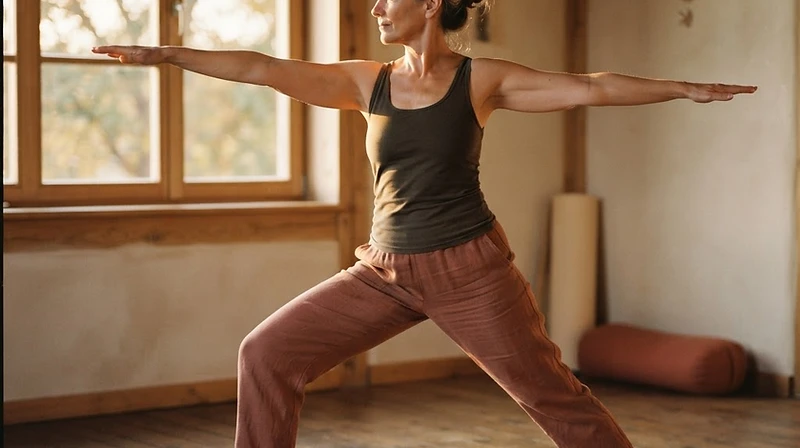
Yoga
Unfold the architecture of your spirit: A timeless practice for the modern body.
But first, a little context and history...
Yoga represents the deliberate union of breath, movement, and intentional stillness. Far more than a contemporary fitness trend, it is a sophisticated system of self-inquiry originating in the Indus Valley Civilization. Archaeological evidence, including soapstone seals dating to 3000 BCE, depicts figures in meditative postures, suggesting that the contemplative roots of the practice were established long before written records began. This early discipline was not merely exercise; it was a profound methodology for mastering the fluctuations of the mind. By the time of the Yoga Sutras, composed by the sage Patanjali around 200 BCE, this philosophy had solidified into a structured path. These 196 succinct aphorisms defined yoga as a science of consciousness, outlining an eightfold approach—the Ashtanga path—that prioritized ethical conduct, physical discipline, and breath control. For the modern student, this text remains the definitive blueprint for transforming a chaotic life into a focused, deliberate experience. The Western trajectory of yoga shifted dramatically in 1893 when Swami Vivekananda addressed the Parliament of the World’s Religions in Chicago. His eloquent introduction of Eastern philosophy to a Western audience sparked a cultural fascination that blossomed into the 20th-century asana renaissance. Figures like T. Krishnamacharya and his disciples, B.K.S. Iyengar and K. Pattabhi Jois, further refined the physical postures into the sequences recognized today. They emphasized alignment, therapeutic healing, and strength, effectively translating an ancient spiritual tradition into a accessible form of somatic health. Today, yoga exists in myriad variations, from the slow, deliberate holds of Yin to the fluid, cardiovascular demands of Vinyasa. You require minimal equipment to begin: a high-density rubber mat, comfortable, moisture-wicking clothing, and perhaps a wooden block or strap to assist with alignment. These tools serve as the physical boundaries of your practice, creating a dedicated space in your home where the outside world ceases to intrude. For the Gen X empty nester, this practice offers a unique sanctuary. As the demands of active parenting fade, yoga provides a vital way to reclaim agency over your physical vitality. It addresses the common concerns of midlife, such as diminishing flexibility, joint stiffness, and the need for mental decompression. Engaging with yoga now allows you to treat your body with the patience it deserves, focusing on sustained health rather than youthful speed. This is a practice that matures alongside you, inviting you to refine your focus as your life enters its second prime.
“Yoga is not about touching your toes; it is about what you learn on the way down.”

What to gather
A graded list of gear — from the first honest kit to the tools of a life in the craft. The Novice kit is free; the deeper tiers open with membership.
Novice
The first kit — enough to begin honestly.
From novice to proficient
A thirty-day passage. Each node is a day. The terracotta fill marks the ground you have already covered.
Understand the craft: the breath, the pose, the still, the calm. Tour the mat and the studio. Today is orientation; the practice begins tomorrow.
YouTubeThe Craft and the Mat
Yoga With AdrieneHow does it feel to set aside this dedicated space and time for yourself? Write down your intentions for this 30-day journey.
Saved locally to your device


How the cohort practices today
The pulse is quiet — for now.
Be the first to document your Yoga journey with #EmptyNexxter.