
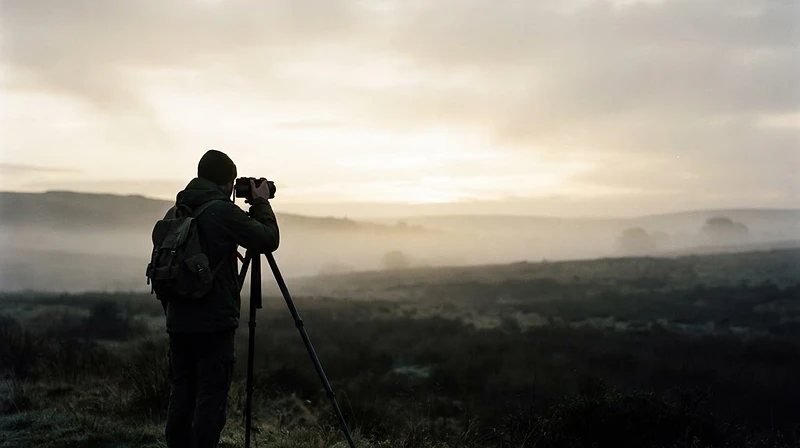
Digital Photography
The sensor is the newest part of photography and the least interesting — light, framing and intention have not changed since 1839.
But first, a little context and history...
Photography begins with a chemical accident and a complaint. In 1839 Daguerre's process fixed an image on a silvered copper plate, and within a decade the portrait had stopped being a luxury. The equipment was heavy, the exposures long, and the whole enterprise belonged to specialists with darkrooms. Eastman's Kodak changed the ownership in 1888 with a slogan — you press the button, we do the rest — and the camera became something a family could own.
The twentieth century reorganised the craft around small cameras and fast film. The 35mm Leica made it possible to work in the street, in motion, among people; the rangefinder and later the SLR made composition a matter of walking rather than staging. Photojournalism, war photography and the decisive-moment ethic all descend from that technical convenience. Colour arrived slowly, then all at once, and by the 1970s the family album was in Kodachrome.
The digital revolution started as an engineering problem. In 1975 a Kodak engineer named Steven Sasson built a prototype that weighed about four kilograms, recorded onto a cassette tape and took twenty-three seconds to write a black-and-white image of a fraction of a megapixel. Kodak, whose business was film, did not rush it. Consumer digital cameras appeared in the mid-1990s, got cheap and good through the 2000s, and then were overtaken by something nobody in the industry had planned for: the phone in everyone's pocket.
Two things followed from that, and they are worth holding together. First, technical scarcity disappeared. Sensors are now good enough that almost any camera made in the last decade will produce a printable image, and the difference between a beginner's photographs and a professional's is rarely the sensor. Second, the sheer volume of images changed what photographs are for: most are now messages rather than objects, which makes the deliberate photograph — framed, exposed, edited and occasionally printed — more distinct than it has ever been.
What has not changed is the part that takes thirty days to learn. Light falls on things, a lens decides what is sharp and what is not, a shutter decides what is frozen and what is smeared, and a frame decides what is included and what is left out. Composition is still line, balance and subject. A photograph still succeeds or fails on whether the photographer had something to say and got close enough to say it.
So this lab treats the camera as a set of decisions rather than a list of features. You will learn the three settings until they stop being a mystery, then spend the rest of the month on the things that actually separate photographs: composition under real light, portraits made with a window, landscapes made on a walk, and the editing discipline of throwing away nine frames out of ten. The last day asks you to print one photograph, because a print is the honest test.
One correction to a common expectation: a better camera will not improve your photographs for at least a year. This lab will actively discourage you from buying one. Use what you have, learn its limits precisely, and only then decide whether the limits are yours or the machine's.
“A better camera has never made a better photograph. A better question has.”
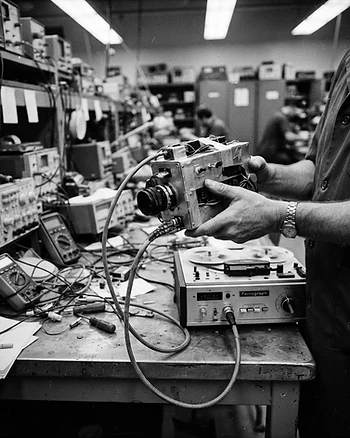
What to gather
A graded list of gear — from the first honest kit to the tools of a life in the craft. The Novice kit is free; the deeper tiers open with membership.
Novice
The first kit — enough to begin honestly.
From novice to proficient
A thirty-day passage. Each node is a day. The terracotta fill marks the ground you have already covered.
Light, lens, shutter and sensor — the whole machine explained once, in plain terms, before any of it gets complicated.
YouTubeWhat a Camera Actually Does
David ManningIn your own words, what is the camera deciding when you press the shutter?
Saved locally to your device


How the cohort practices today
The pulse is quiet — for now.
Be the first to document your Digital Photography journey with #EmptyNexxter.